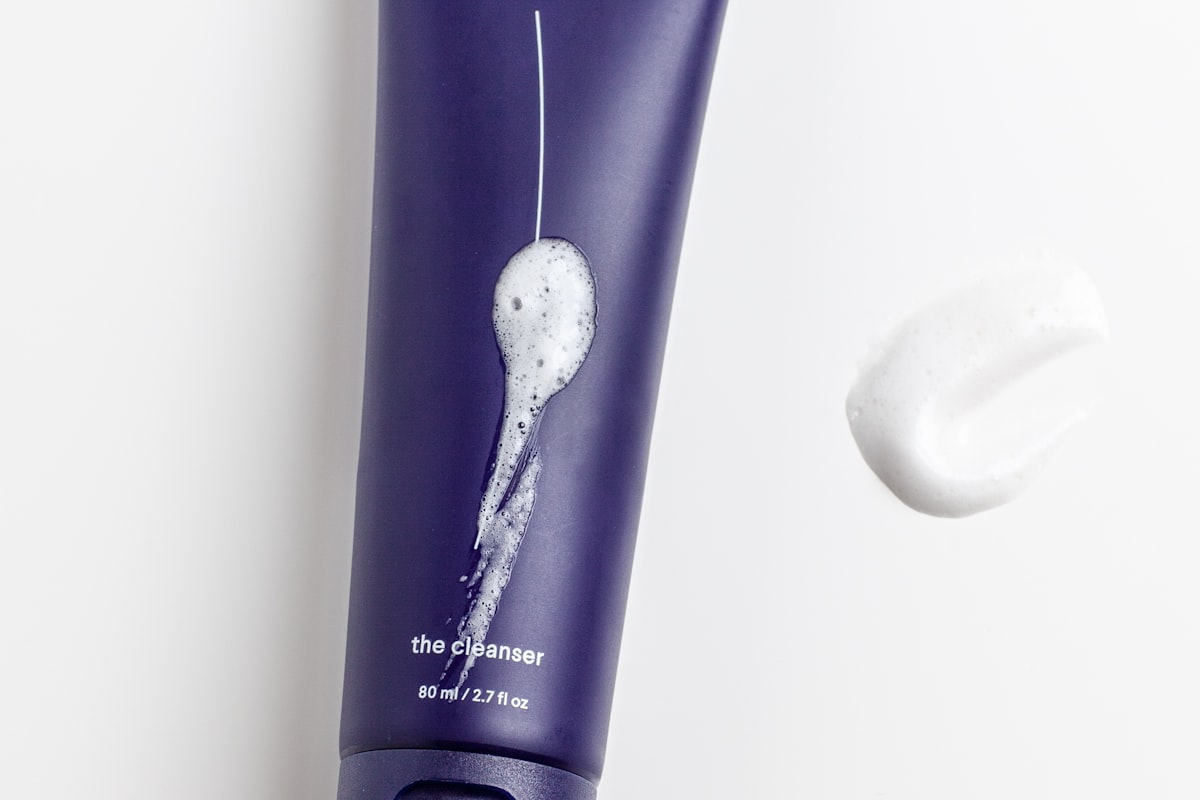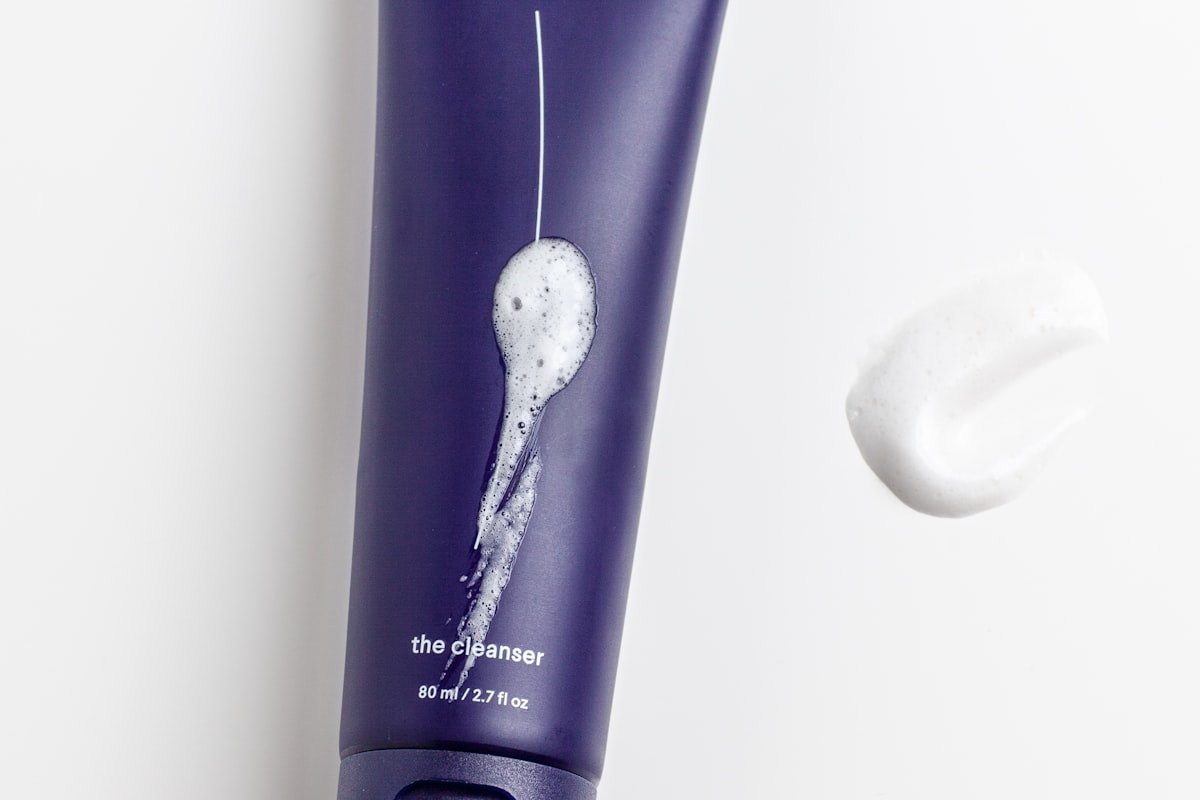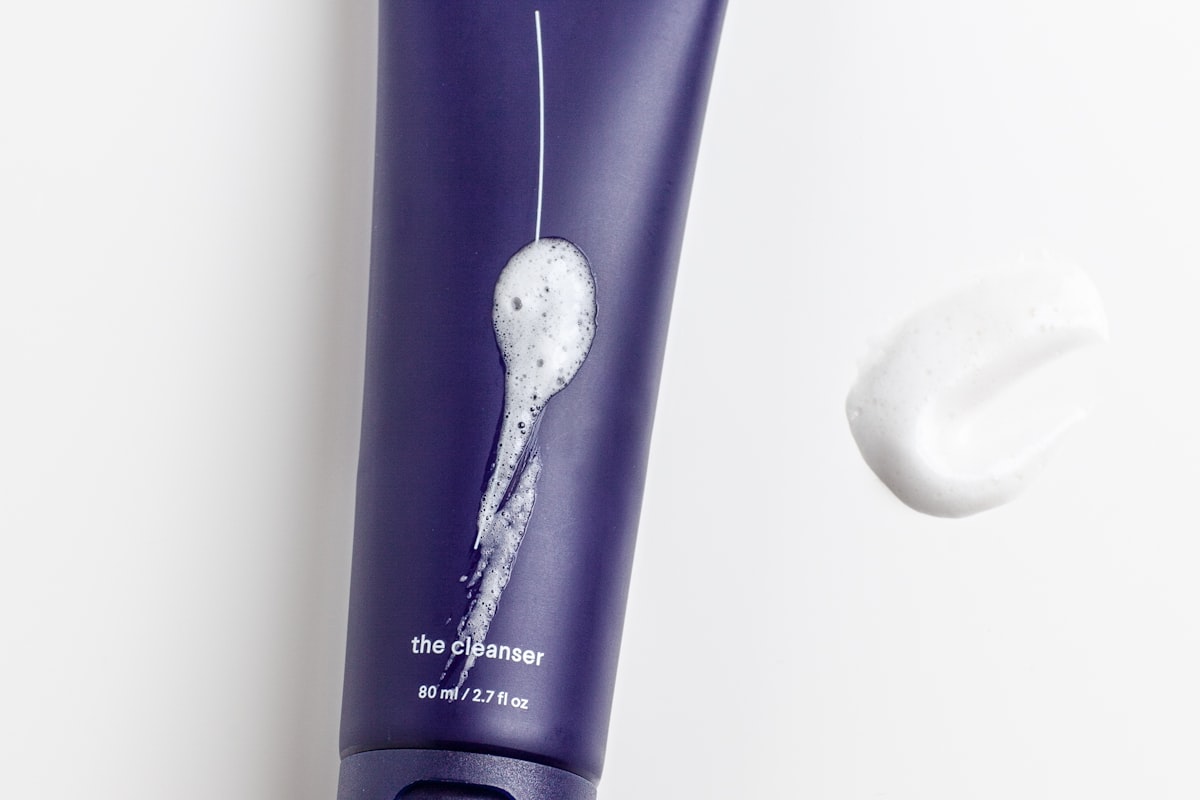
"Biotech-derived." "Lab-grown ingredients." "Fermentation-powered skincare." These phrases are everywhere in premium beauty now. Brands like Biossance have built entire product lines around squalane produced through biotechnology rather than harvested from shark livers or olive oil.
The positioning is clever: cutting-edge science meets sustainable sourcing. But here's what I've wondered: does "biotech" actually help sell skincare? Or does it trigger the same suspicion that consumers feel toward processed food?
I ran a study with six US consumers to find out. The results suggest biotech skincare brands are leading with the wrong message.
The Participants
I recruited six personas aged 25-45 from rural and urban locations across the US, representing multiple income levels. The mix included an environmental specialist in Florida, a production planner in Oklahoma, a fintech product manager in New York City, a civil servant in Georgia, and unemployed consumers in rural areas.
What they had in common: they all buy skincare, they've all seen "clean" and "sustainable" claims, and they all have limited patience for marketing buzzwords.
The Buzzword Problem
The first finding was immediate: terms like "biotech" and "lab-grown" trigger scepticism rather than interest. Participants defaulted to viewing such language as marketing hype rather than meaningful differentiation.
One participant described it as "buzzword bingo" - the kind of language brands use when they don't have real substance to communicate.
This doesn't mean consumers reject biotech ingredients. Their openness increases dramatically when brands explain what an ingredient actually is, where it comes from, and why it outperforms alternatives. The problem is leading with "biotech" as a headline rather than the specifics that would build credibility.
Performance Beats Claims
Across all segments, visible results and low irritation were the primary purchase drivers. "Clean" and "sustainable" positioning functioned only as tiebreakers when backed by quantified evidence - not as primary selling points.
Participants explicitly rejected paying extra for green credentials without demonstrable footprint reductions. Vague sustainability claims don't justify premium pricing. Only measurable, verifiable benefits do.
The fintech product manager in NYC described his evaluation process:
"I do a quick two-tab verification - INCI lookup plus clinical checks. I expect declared concentrations and sourcing. If I can't find that, I assume they're hiding something."
This is a sophisticated consumer who's learned to verify claims rather than trust them. And he's not alone.
Evidence Thresholds Vary by Segment
Different consumer segments demanded different types of proof:
Evidence-first users demanded rigorous clinical data: sample sizes of at least 30, quantified improvements on specific metrics like hydration and TEWL, declared concentrations, and third-party validation.
Practical rural respondents prioritised on-package clarity and real-world performance - how products behave in heat, sweat, and dust. They don't have time for multi-step online verification.
Price-sensitive shoppers relied on trusted peer recommendations and affordability. They distrust unfamiliar terminology and need social proof from people like themselves.
Short Ingredient Lists Build Trust
A simple but powerful finding: across all demographics, shorter ingredient lists and low or no fragrance were perceived as lower-risk and therefore more trustworthy.
This design choice - keeping the INCI list short and avoiding added fragrance - reliably moves shoppers from scepticism toward trial. It's not glamorous marketing, but it works.
The logic is intuitive: fewer ingredients means fewer potential irritants, fewer things that could go wrong. Consumers have learned this through painful experience with products that didn't work for their skin.
The Rural Connectivity Challenge
Rural participants raised an issue that urban-focused brands often miss: limited internet connectivity makes multi-step online verification impractical.
An environmental specialist in Florida demanded durability in challenging conditions and plain-English, on-package proof. He can't always pull up a website to verify claims. The information needs to be right there on the label.
This has implications for how brands structure their transparency efforts. QR codes are great, but they can't be the only path to verification. On-pack information and printable PDFs accessible via SMS shortcodes expand access to consumers in low-connectivity areas.
The Squalane Opportunity
When I asked specifically about squalane - the hero ingredient for brands like Biossance - curiosity increased only when brands explained sourcing, concentration, and efficacy. The ingredient itself isn't inherently interesting or concerning. It's neutral until substantiated.
Effective positioning would explain: what squalane is (the INCI name, bio-identical via fermentation), why it matters (consistent purity, fewer irritants, replaces over-harvested plant sources), what the proof is (percentage improvements on hydration metrics versus baseline), and how quickly results appear (visible in one to two weeks).
That's a different pitch than "biotech-derived squalane" - it's specific, verifiable, and outcome-focused.
Sustainability Needs Receipts
Participants weren't opposed to sustainability claims - they were sceptical of unsubstantiated ones. The civil servant in Georgia was explicit:
"Show your work. I want real waste reduction numbers, not sci-fi marketing."
Quantified sustainability claims that would build credibility include: specific post-consumer recycled percentages, refill availability at price parity, supply origin documentation, shipping weight reductions, and audited annual targets.
Vague "clean" language triggers greenwashing suspicions. Published, audited metrics build trust.
Trial and Pricing Strategy
Participants offered specific guidance on how to reduce trial friction:
Low-cost minis (5-10ml) with patch-test inserts and 14-day usage guides
Unscented as default - fragrance creates perceived risk
Price within 10% of category benchmarks - add cost-per-use explainers to counter biotech premium concerns
Short INCI lists - simplicity signals safety
What This Means for Biotech Skincare Brands
If I were advising Biossance or any biotech-focused skincare brand, here's what I'd take away:
Replace "biotech" headlines with specifics. What the ingredient is, where it comes from, what it does, and how it's proven.
Publish third-party clinical data. Sample sizes, protocols, quantified improvements. Make verification easy.
Default to unscented formulations. Fragrance creates unnecessary risk perception.
Ensure on-pack verification options. QR codes plus SMS shortcodes for rural connectivity.
Quantify sustainability claims. Specific percentages and audited targets, not vague language.
The Bigger Picture
What struck me most about this research was the gap between how biotech skincare brands talk about themselves and how consumers actually evaluate them. The brands lead with technology and innovation. Consumers care about results and safety.
The path forward isn't to abandon biotech positioning - it's to substantiate it. Replace hype with clarity. Lead with outcomes, not processes. And above all, make it easy for consumers to verify that what you're claiming is actually true.
Because consumers will embrace biotech-derived skincare - not as a buzzword, but as a proven solution. When brands deliver visible results without a premium and document their sustainability footprint with real numbers, biotech shifts from concerning to cutting-edge.
What the Research Revealed
We asked real consumers to share their thoughts. Here's what they told us:
What matters more to you in skincare: "clean" and "sustainable" claims, or visible results? Can a brand deliver both?
Micah Korona, 34, Production Planner, Rural, OK, USA:
Short answer: visible results win. If my skin does not calm down, smooth out, or feel better, I do not care what the box whispers about clean or sustainable. I do care about both, but only when it is straight-talk and not green glitter. Do not charge me extra for a leaf logo or a paragraph of buzzwords that says nothing, that is like calling a sofa farmhouse and then stapling vinyl to it. Can a brand deliver both? Sure, but prove it: simple ingredient list, light or no scent, sturdy recyclable bottle, a refill that is fairly priced, and results I can see in a week or two. Keep the promises clear, keep the price sane, and do not make me scan five QR codes on spotty Wi-Fi just to figure out recycling. If it works and cuts waste without drama, I will stick with it. If it is all vibes, I am out.
Morgan Sandoval, 28, Customer Success Manager, Mesa, AZ, USA:
Short answer: visible results win. My skin is desert-dry and fussy, so if it doesn’t perform, I don’t care how “clean” the label sounds. “Clean” means nothing unless the brand defines it, and “sustainable” only matters if there are receipts and the price isn’t jacked up for vibes. Can they deliver both? Yes, but only if they prove it without fluff. What makes me trust results:
Plain-language what-it-does, where it fits in my stack, and how often.
Real before-afters with timeframes and routine context.
Ingredient percentages for key actives or at least clear INCI with known amounts.
Basic testing data like hydration or TEWL, not just glow talk.
Refills that actually reduce plastic, not cute minis.
Numbers: % PCR, lab-grown replacing overharvested stuff, lighter formats that cut shipping weight.
Clear recycling instructions and where it’s made. No green fog.
“Clean” lists with fear marketing and zero definition.
Carbon offsets with no details, “compostable” packs I can’t compost at home.
Luxury pricing plus subscriptions pushing me to overbuy.
My rule: if two products both work, I pick the one with credible sustainability at a sane price. If only one works, I buy the one that works and keep my cost-per-use low, punto.
Brennan Pittman, 25, Product Manager, New York city, NY, USA:
Visible results win. “Clean” reads like a vibe word unless it maps to real safety data and fewer irritants. Sustainability matters to me as a hygiene factor and tie-breaker, not a reason to accept worse skin or a 40% markup. Can a brand do both? Yes, but prove it: match or beat baseline performance and show audited footprint cuts, not leaf icons. What I look for:
Clinicals with n>30 and a 10-15% lift on hydration, redness, or TEWL vs a plain moisturizer
Ingredient concentrations and irritancy testing disclosed
Footprint numbers per unit - CO2e, water, PCR% - with year-over-year reduction targets
Refill or lightweight packaging that actually gets used, not performative boxes
Net: if there’s a trade-off, I pick performance-first with reasonable sustainability. If you can hit both within ~10% of normal pricing, I’m in. What’s the incremental lift?
Ashley Goddard, 35, Community Organizer, Athens-Clarke County unified government (balance), GA, USA:
Visible results win my bathroom shelf. If a cream doesn’t actually do anything, then all the clean and leafy fonts are just expensive soap. That said, I care about stewardship, so I want both - I just won’t pay a premium for vibes. Clean means nothing to me unless they define it in plain English, and sustainable better look like less waste, not a green sticker. A brand can deliver both, but they’ve got to show their work:
Proof it works on real faces, normal lighting, and a clear timeline.
What the ingredient is, where it comes from, and why it beats a basic moisturizer - no buzzword bingo.
Packaging I can actually recycle or refill, without turning my sink into a science project.
Price that tracks with the formula and results, not a sermon.
Do that, and I’m in. Don’t, and I’ll pick the one that works and compost the box myself.
If a brand's hero ingredient is "squalane" and you've never heard of it, does that make you curious or skeptical?
Morgan Sandoval, 28, Customer Success Manager, Mesa, AZ, USA:
Gut check: curious with a side-eye. The name sounds like a real ingredient, not fairy dust, so I’d want to learn more - but if I’ve never heard of it, I’m not buying the hype blind. I lean curious if:
They explain in plain language what it’s supposed to do in my routine, not vibe words.
I can pass my two-tab test - quick INCI lookup and a couple of real-user threads.
Price looks fair next to basic moisturizers and oils, not a “new word, new markup” move.
They show texture and usage clearly - how much, how often, where in the stack.
It’s “our hero” but they won’t say why it beats the basics I already use.
All I see are glow claims and influencer reels with filters. No receipts.
Tiny bottle, subscription push, and a luxury price for something that seems simple.
Fragrance-heavy or lots of fluff around it that could irritate my desert-dry skin.
So yeah, I’m open, but con calma. If I can’t decode it fast, I skip. If it checks out, I’d grab a mini to see if my skin drinks it up without drama.
Mandy Wilken, 45, Unemployed Adult, Rural, GA, USA:
Skeptical, for sure. I never heard that word, and it sounds like lab talk. Feels like a slick oil thing and my skin gets fussy. I stick to plain, unscented stuff I can say out loud, I reckon.
Weird name makes me think pricey and strong.
I worry it feels greasy or makes me break out.
If a church friend used it and it did not burn, I might try a tiny cheap one.
Otherwise I stay with store brand and short words on the label.
Brennan Pittman, 25, Product Manager, New York city, NY, USA:
Default: skeptical. “Hero ingredient” I’ve never heard of reads like a marketing tell. I get curious only if they show third-party clinicals with n>30 and a 10-15% lift on simple endpoints like hydration or TEWL vs a plain moisturizer, and disclose concentration and sourcing. If it’s just a fancy name for a basic emollient with a 40% markup, I pass. Net: skeptical until proven, then maybe interested.
Ashley Goddard, 35, Community Organizer, Athens-Clarke County unified government (balance), GA, USA:
Curious-but-cautious. Slapping hero on an ingredient I’ve never heard of makes me squint first, then flip the bottle. If they tell me in plain English what it is, where it comes from, and why it beats a basic moisturizer, my curiosity wins. If it’s just a fancy name with a price jump and no sourcing or proof, that reads like buzzword bingo and I’m out. Show your work or I keep walking.
When a skincare brand says they use "biotech" or "lab-grown" ingredients, does that feel cutting-edge or concerning to you?
Ashley Goddard, 35, Community Organizer, Athens-Clarke County unified government (balance), GA, USA:
Gut check: biotech on a lotion bottle mostly reads like a sparkle word to me. Lab-grown doesn’t spook me at all - if it means consistent quality and not stripping a plant or critter, that feels like stewardship. My red flags: vague claims, no plain-English testing, and a price jump just because the label sounds sci-fi. My green lights: short ingredient list, straight talk about what it is and why it’s better, and proof it cuts waste. So it can feel cutting-edge, but only if they show their work; otherwise, buzzword bingo and I’m out.
Morgan Sandoval, 28, Customer Success Manager, Mesa, AZ, USA:
Gut check: mixed. Part of me thinks it’s cool when “biotech” means cleaner sourcing and consistent formulas. The other part side-eyes it when it feels like a buzzword with no receipts. It feels cutting-edge to me when:
They tell me the actual ingredient name and why lab-grown is better - not fluff.
There’s third-party testing or at least clear before-afters that aren’t sketchy.
Price isn’t jacked up just for the word “biotech.”
I can find real-user threads with outcomes, not influencer scripts.
They say “biotech-powered” but won’t explain what’s in the bottle.
INCI reads vague and I can’t verify basics in two tabs - my personal rule.
They lean hard on “clean” or “natural” vibes to distract from meh results.
They promise miracle-level results in a week. Nope.
My skin is desert-dry and a little fussy, so I’m not anti-lab-grown at all - I like the idea if it replaces over-harvested stuff and keeps texture stable. I just need clarity, not a sci-fi story. If I can’t decode it fast, I skip and keep my cost-per-use low.
Micah Korona, 34, Production Planner, Rural, OK, USA:
Gut check? I lean skeptical. When a jar screams biotech or lab-grown, it reads like city marketing trying to dress up the same old lotion with my kid’s glitter. I’m not scared of labs at all - if it works, doesn’t sting, and they explain it in plain-English, fine by me. It feels cutting-edge only when they show what it is and why it’s better without hiking the price just for a fancy word. It feels concerning when it’s vague, perfume-heavy, and I’ve got to Google three terms while my rural Wi-Fi spins - that’s like switching thread brands mid-shift without a test run. So yeah, curious but guarded, and I roll my eyes until they earn the trust.
Samuel Fields, 34, Environmental Engineer, Rural, FL, USA:
Out here I see a lot of sun and sweat. I care if it works and does not trash the creek. Biotech or lab-grown mostly reads like marketing to me until they show me why I should trust it. I get twitchy about buzzwords. Feels like I am being sold a story.
Cutting-edge if it means consistent quality, fewer weird contaminants, and less ripping stuff out of the wild. Tank-grown beats poaching rare plants in my book.
Concerning when it is just a shiny label slapped on a tiny tube with a big price, heavy fragrance, and no straight talk about safety or sourcing. I am not interested in being the test dummy.
Bottom line, if it keeps me from frying and does not foul the water, I do not care if it came from a vat or a tree. If it is hypey, perfumed, and pricey, I am out. I have field gear to buy and not much patience for cute science words on a bottle.