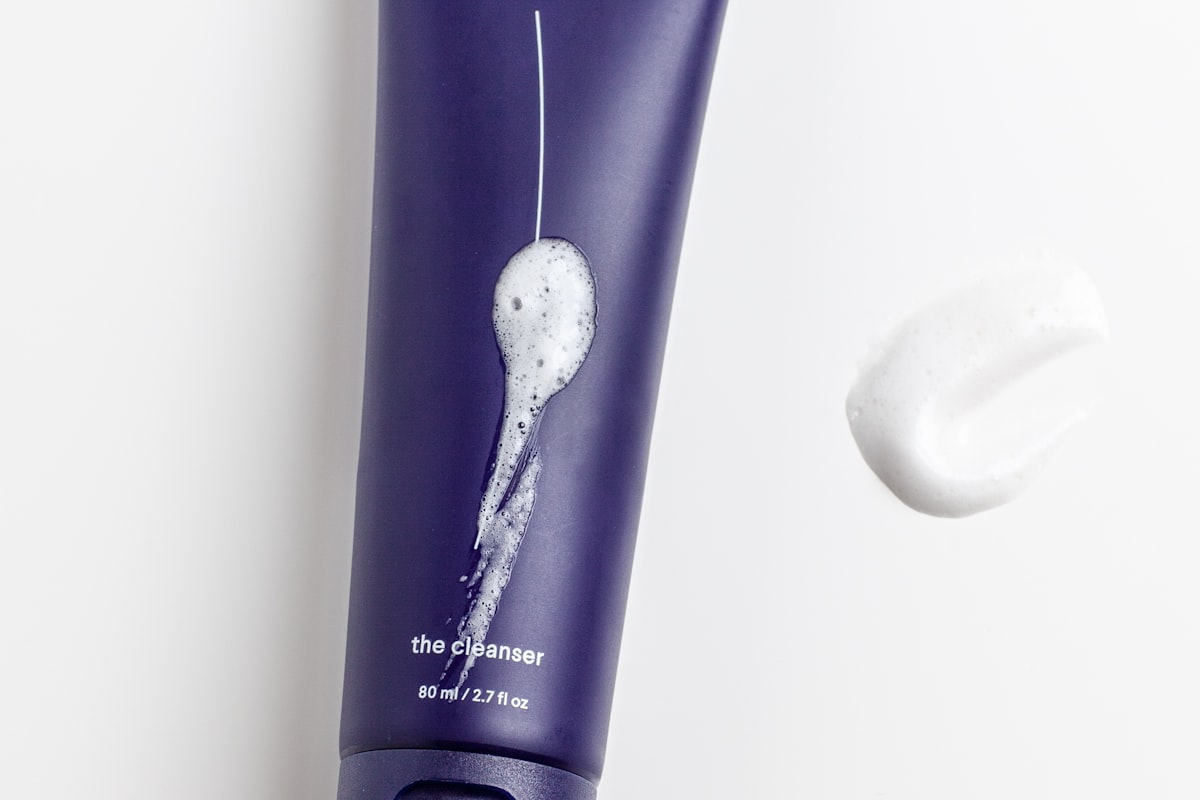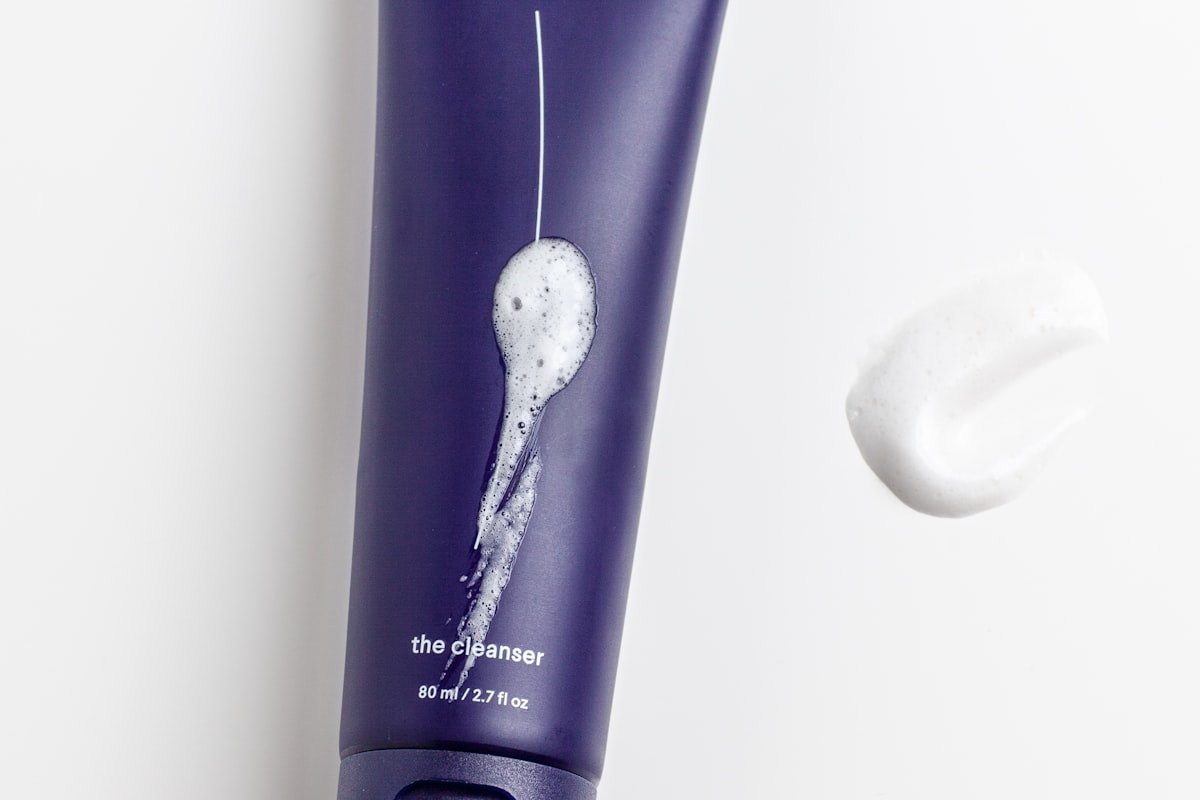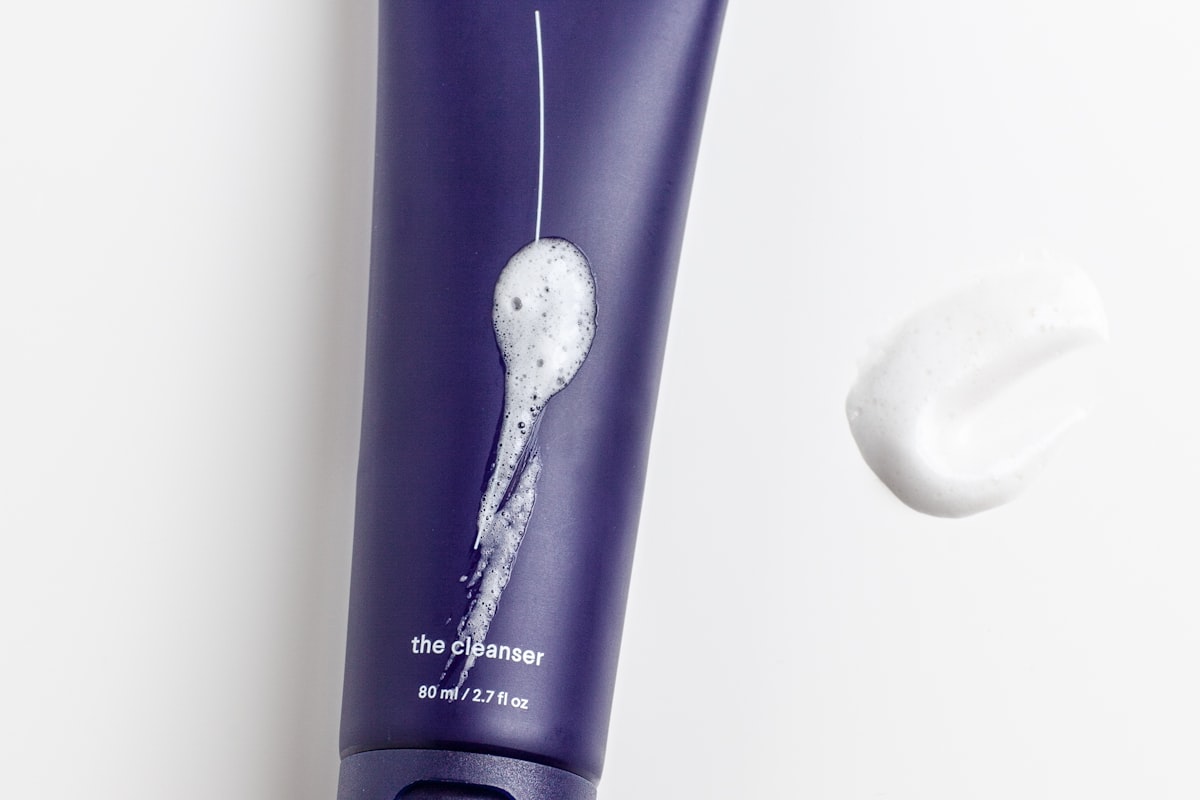
"Superfood" skincare is everywhere. Brands like Youth to the People have built entire product lines around the promise that kale, spinach, and green tea can transform your skin. The aesthetic is unmistakable: green bottles, leafy imagery, produce-aisle language applied to premium beauty products. It's aspirational wellness translated into cosmetics, and it's been remarkably successful at capturing attention.
But here's what I've wondered: does "superfood" actually sell skincare? Or does produce language on a face wash trigger the same eye-roll consumers give to other overused wellness buzzwords?
I ran a study with six US consumers to find out. The results were brutal for any brand leading with vegetable metaphors.
The Participants
I recruited six personas aged 23-38 from rural and suburban settings across the US: New Jersey, Georgia, Nevada, New Mexico, California, and Maryland. The mix included a curriculum director earning over $130k, stay-at-home mothers managing household budgets, warehouse workers with practical skincare needs, a veteran studying cybersecurity, and job seekers watching every dollar. Incomes ranged from $19,000 to $132,000 annually - a deliberately wide spread to capture diverse perspectives on what makes premium skincare worth the money.
What they had in common: they all buy skincare regularly, they've all seen "superfood" claims plastered across product packaging, and they all have strong opinions about what justifies paying premium prices.
The "Superfood" Problem
The first finding was unanimous and unambiguous: all six participants rejected "superfood" and "kale" positioning as marketing hype rather than credible efficacy claims. Green and leafy visuals triggered immediate scepticism rather than trust or curiosity.
One stay-at-home mother captured it bluntly:
"When I see 'superfood' slapped on a jar, I roll my eyes and think marketing tax."
A warehouse worker was even more direct:
"'Kale' reads like a salad bar sign. Super markup and a green label."
And perhaps most devastatingly, the veteran cybersecurity student observed:
"Say what it does, not what salad it wants to be."
The problem is fundamentally cognitive: produce language belongs in the grocery store, not on a premium face wash. When brands blur that line, consumers perceive it as marketing overreach rather than meaningful product differentiation. The metaphor doesn't translate to trust.
Heritage Doesn't Build Trust Either
I asked specifically about founder pedigree - whether a 40-year family beauty industry background would increase trust. The answer was unanimous: no. Heritage alone reads as PR padding unless backed by verifiable proof.
One participant observed:
"Forty years sounds like knowing how to dress up a jar and pad the price."
Instead of heritage storytelling, participants demanded concrete evidence: full INCI lists with key active ingredient percentages, independent testing results for makeup and sunscreen removal efficacy, price-per-ounce transparency, sensory performance proof demonstrating no sting or tightness, and easy, risk-free return policies that signal brand confidence.
The pattern is clear: functional claims backed by evidence trump narrative positioning every single time.
The $36 Cleanser Economics
Youth to the People's hero cleanser sells for about $36. I asked when a premium cleanser at that price point becomes "worth it." The answer was remarkably consistent across income levels: only when it delivers measurable functional value, not packaging or storytelling.
The must-haves for a premium cleanser include:
One-pass removal of sunscreen and makeup without requiring double cleansing
Proven gentleness - no tightness in dry climates or hard-water regions like New Mexico or Nevada
Cost-per-use targeting - under $0.25 per wash and under $2 per ounce to feel justified
Sturdy, practical packaging - leak-free, one-handed pumps that work reliably in the shower
Minimal or no fragrance - garden scents are a liability, not a selling point
What pushes a premium cleanser into "ridiculous" territory? Tiny perfumed bottles that run out quickly, "superfood" storytelling without functional substance, influencer or heritage PR, subscription traps that are hard to cancel, and multi-step systems that add complexity without clear value.
The high-earning curriculum director stated his threshold directly:
"My cutoff is about $2 per ounce. If it can't show me time saved or durability, I buy the boring drugstore bottle."
Segment Differences
While the core finding held across all participants, different segments brought different priorities to their evaluation:
Stay-at-home parents prioritised one-handed pump packaging for child-safety logistics, concentrated formulas that last longer, unscented and low-irritation options safe around kids, reliable returns for products that don't work out, and rural-friendly shipping that doesn't add hidden costs. Garden scents and superfood claims were active liabilities for this practical group.
Young rural manual workers prioritised occupational efficacy - products that could heal cracked hands and withstand cold exposure on outdoor job sites. They wanted large formats delivering low per-use cost, no fragrance that would clash with their work environment, and rugged durability. "Superfood" reads purely as expensive markup to this segment.
Higher-income professionals demanded quantified clinical evidence, irritation testing results, cost-per-ounce math displayed transparently, SPF and performance metrics, and clear ROI on their skincare investment. They're willing to pay for function but demand measurable proof - heritage narrative is noise without supporting data.
What This Means for Superfood Skincare Brands
If I were advising Youth to the People or any superfood-positioned skincare brand, here's what I'd take away:
Pivot copy from "superfood" to outcomes. Lead with one-pass clean, irritation-tested, fragrance-free. Say what it does.
Publish a transparency hub. Full INCI with percentages for key actives, independent testing protocols and results, plain-language benefits anyone can understand.
Reframe value explicitly. Display price-per-use and cost-per-ounce on product pages. Target under $2 per ounce via concentrated formulas and value sizes.
Default to unscented. Garden and vegetal scents are liabilities, not features that add value.
Reduce risk friction. 60-day used-OK returns, no forced subscriptions, rural-friendly shipping rates.
The Bigger Picture
What struck me most about this research was how counterproductive the superfood positioning has become. The brand invested heavily in produce aesthetics and ingredient storytelling that made for beautiful packaging and Instagram content. But consumers want functional performance and price transparency instead.
The path forward isn't to double down on kale and spinach language - it's to pivot to outcome-based claims that consumers can verify and believe. One-pass clean. Irritation-tested. Cost-per-use math. These are the messages that build trust and justify premium pricing.
Because at the end of the day, consumers don't buy salad metaphors. They buy skincare that works, at prices they can justify, with claims they can verify for themselves.
What the Research Revealed
We asked real consumers to share their thoughts. Here's what they told us:
What would make you pay $36 for a cleanser when drugstore options are $8-12? What crosses the line from "worth it" to "ridiculous"?
Elizabeth Mcshane, 29, Stay-at-Home Parent, Rural, NV, USA:
Gut check: $36 for something that lives in my shower has to earn its keep or it’s just fancy soap playing dress-up. I’d only pay that if it actually cuts through sunscreen and mascara in one go, doesn’t leave me tight or rashy in our dry wind, and lasts months so the cost per pump lines up with the $8 stuff. Also it better be unscented, no cutesy salad words, and a sturdy pump I can hit with one hand while the toddler screams. If it flakes out on me by day three, I want an easy refund without mailing a velvet box to Mars. Otherwise I’ll grab the drugstore bottle and move on. What makes it worth it:
Big bottle or real-deal concentrate that lasts a long time
One-and-done clean - sunscreen, makeup, dust - no second step
Gentle in hard water and desert air - no sting, no film, no zits
Plain words, no hype, clear price, simple return
Ships cheap to my rural address, no subscription traps
4 oz in a jewel box that smells like a florist shop
“Superfood” fluff or a celebrity lecture about my pores
Needs a 10-step routine or special cloths I’ll lose in the wash
Refill pods, hidden fees, or “member pricing” bait
Bottom line: if I have to think about it every night, it’s not worth it. If it disappears into the routine and just works, fine, take my $36 - once.
Rachael Toberman, 30, Stay-at-Home Parent, Albuquerque city, NM, USA:
Short version: I almost never would. I’m not paying date-night money for a face wash unless it earns its keep every single day. What would make me consider $36:
It replaces two steps - takes off sunscreen and mascara clean, no tugging, no extra remover.
Zero sting, zero tightness in our dry Albuquerque air. If my face feels squeaky, I’m mad.
Fragrance-free and boring in the best way. No perfume, no dyes, no surprise tingle.
Concentrated so a pea-size lasts 4-6 months. I’m looking at cost-per-pump, not the pretty bottle.
Decent size with a sane pump that locks and doesn’t leak into my gym bag or the minivan.
Easy return policy if it breaks me out by day three. No store-credit games.
Transparent price - no subscription traps, no $8 shipping on top.
$36 for 3 ounces and a fancy glass bottle my toddler will shatter.
“Superfood, crystal-infused, moon-water” claims. Hard pass.
Celebrity face on the ad, travel size posing as full size.
Needs a special cloth and a second cleanse or it leaves a film.
“Derm-tested” buzzwords with nothing to back it up and a hard upsell at checkout.
If it’s a simple, gentle workhorse that saves me time and actually lasts, I’ll think about it. If it’s a cute jar with salad words and homework attached, that’s ridiculous.
William Stocker, 38, Director of Curriculum & Instruction, Rural, NJ, USA:
It is a rinse-off step, so I pay for function, not vibes. I would go to $36 only if it hits two things: zero irritation and real longevity. It must remove sunscreen in one pass and last 4 to 6 months. Ridiculous is a tiny 4 oz bottle with fragrance, influencer fluff, or a “system” that needs three other steps or a subscription. My cutoff is about $2 per ounce, and if it cannot show me time saved or durability, I buy the boring drugstore bottle.
Sarah Hall, 34, Graduate Student, Columbus city, GA, USA:
Short answer: almost nothing. It’s a rinse-off. $36 has to do overtime to earn space on my sink. What could make it worth it for me:
Big size that actually lasts - pump bottle, no leaks, maybe a refill pouch. Price per ounce needs to make sense.
One-and-done cleanse - takes off sunscreen and mascara without me double-cleansing. Saves me time at night when I’m fried.
No tightness, no film, no sting - it’s sunny but chilly and my skin’s already dry. I don’t want squeaky-clean, I want normal skin after.
Fragrance-free or barely there - I don’t need a perfume cloud in my bathroom or on my kid if he grabs it.
Plain language - tells me what it is, who it’s for, none of that kale-superfood-detox noise.
Easy returns and a real discount - student or vet brings it under 30, no subscription traps, no junk fees.
Tiny bottle - like under 6 oz for $36 - and they tell me to use 3 pumps twice a day. Nah.
Buzzwords over function - superfoods, crystals, moonwater, whatever - and no clear reason it’s better than my $9 standby.
Actives theater - bragging about retinol or acids in a cleanser. It’s on my face for 30 seconds. Stop.
Heavy scent, eye sting, or it leaves me tight and flaky. Immediate nope.
Fancy glass and influencer collab tax - you’re charging me for packaging and a selfie.
Hidden costs - shipping, restocking, subscribe-to-save nonsense just to get a decent price.
I’m already on edge from the news and I want quiet, not fuss. If a cleanser saves me time, doesn’t wreck my skin, and the math checks out, fine. Otherwise, $8-12 at Target and keep it moving.
If a skincare brand's founders came from a family with 40 years in the beauty industry, does that make you trust them more, less, or not at all?
William Stocker, 38, Director of Curriculum & Instruction, Rural, NJ, USA:
Not at all on its own. A family pedigree can mean they know how to formulate or they know how to spin a story, and I have seen more of the latter in this space. Okay, stepping back - the two things that move the needle for me are clear testing and basics nailed like SPF, low irritation, and price per ounce. If they lead with legacy instead of results, my trust drops.
Sarah Hall, 34, Graduate Student, Columbus city, GA, USA:
Short answer: not really. A founder’s family having 40 years in beauty is just a story. It doesn’t move my trust meter unless they show me what’s different because of it. If they lean on pedigree too hard, I actually side-eye it - feels like a crutch. What makes me trust a brand is boring stuff:
Clear ingredients and how strong they are
Plain language about what it does and for who
Price per ounce that isn’t playing games
Real reviews that mention texture, scent, breakouts
Easy returns, no subscription traps
Legacy can mean they know supply chains and QC. It can also mean old-school thinking and shiny marketing. Today I’m already keyed up from the news and it’s sunny but chilly, skin’s tight - I don’t care who your uncle was in cosmetics. Show me the formula and the receipt, not the family scrapbook.
Logan Capps, 23, Job Seeker, Rural, CA, USA:
Not really. If anything, “40 years in beauty” reads like they’ve had decades to learn the markup game and polish a story. I trust what I can feel: does it sting, does it smell decent, how long does the bottle last, and can I take it back if it sucks. Show me straight ingredients and price per ounce, fine. But the family resume by itself does nothing. Call it neutral to slightly less trust until I try it.
Keagan Vazquez, 23, Warehouse Manager, Rural, MD, USA:
Not really. Kinda feels like a marketing line. Forty years in beauty sounds like perfume counters and shiny boxes, not stuff that fixes cracked hands after a 10-hour cold shift. I trust it when it’s plain, thick, unscented, fair price, and I feel it working in a couple days. If my crew says it holds up on the dock, that matters more. Family legacy can even make me trust less, porque suena a puro cuento. I gotta try it first or ask my cousin who runs nights too.
When skincare brands use words like "superfood" or "kale" in their products, does that feel credible to you or does it feel like marketing hype?
Rachael Toberman, 30, Stay-at-Home Parent, Albuquerque city, NM, USA:
Short answer: it feels like hype. I bought a “kale” cleanser at Target once because the bottle was cute, and it smelled like a salad bar and did nothing but make my face tight. So now when I see “superfood” slapped on a jar, I roll my eyes and think marketing tax. Put kale in my salad, not my moisturizer. If it’s basic, feels nice, and doesn’t break me out, fine, call it whatever, but don’t jack the price because you sprinkled a buzzword on the label. I trust boring workhorse stuff and honest pricing way more than a smoothie on my face.
Elizabeth Mcshane, 29, Stay-at-Home Parent, Rural, NV, USA:
Short answer: hype. Slapping "superfood" or "kale" on a jar reads like a smoothie menu got lost in the toiletries aisle. If a cream actually does something, say what it does, not what salad it wants to be. I tried one of those green ones once and it smelled like lawn clippings and guilt, and my face didn’t look any different, just sticky. Maybe there’s some plant stuff that helps, sure, but the veggie buzzwords feel like they’re padding the price. I want plain labels, simple claims, and a bottle that doesn’t act like a juice cleanse. If I’m picking, I go for:
no nonsense wording, not cutesy produce talk
unscented over “garden-fresh” anything
price that looks like soap, not a car payment
Probably not glamorous, but I’d rather eat kale than rub it on my cheeks.
Sarah Hall, 34, Graduate Student, Columbus city, GA, USA:
Short answer: mostly hype. If your serum is bragging about kale or calling itself a superfood, I roll my eyes. Feels like they raided the salad bar and slapped it on a label to bump the price. Tell me what it actually does and how strong the real actives are, not that it once sat next to spinach in a photoshoot. I notice this pattern every time I’m at Target: the greener the bottle and the leafier the design, the fluffier the claims. I’m not paying extra for a cute veggie vibe. If it’s on sale and it feels nice, fine, I’ll toss it in the cart. But I don’t give it any extra credit just because it says kale. What reads as credible to me is plain language and clear purpose. No influencer fairy dust, no coyness. Maybe it’s the news cycle putting me on edge, but I’m allergic to noise right now. It’s sunny but chilly out, skin’s a bit dry, and none of that gets fixed by a buzzword. Just give me straightforward stuff that works, not a smoothie for my face.
William Stocker, 38, Director of Curriculum & Instruction, Rural, NJ, USA:
Mostly hype to me. “Superfood” or “kale” on a bottle reads like a health halo selling vibes, not results. Okay, stepping back - the two things that matter to me are a clear SPF number and whether it annoys my skin, then price per ounce. If the branding is louder than those basics, I ignore it and buy the boring stuff that does not smell like a smoothie. I do not need my face to eat its vegetables.