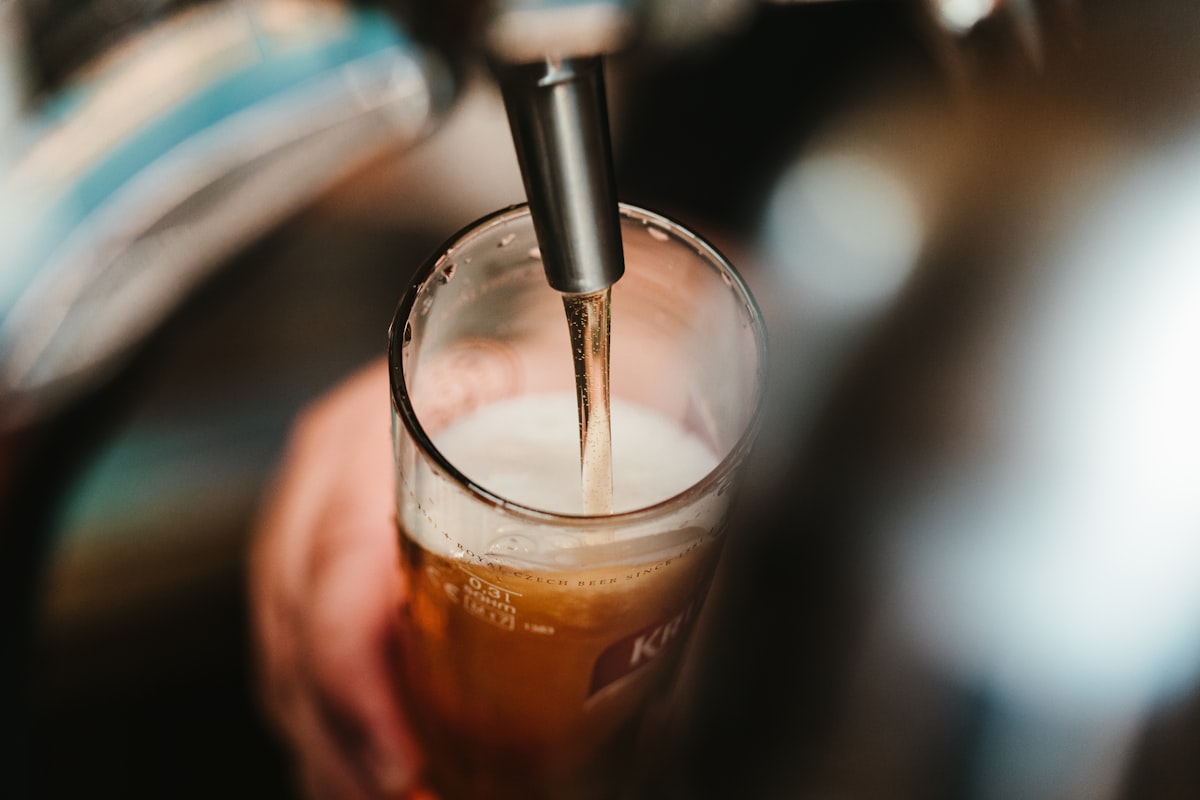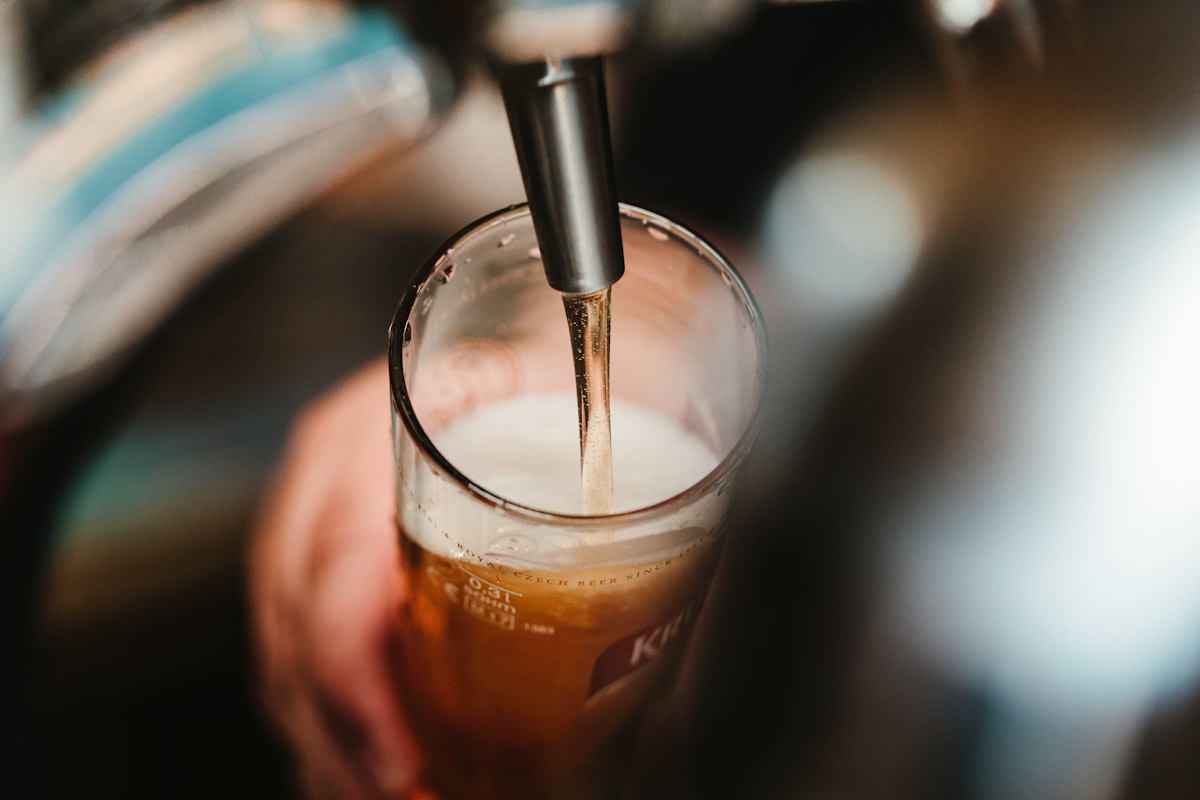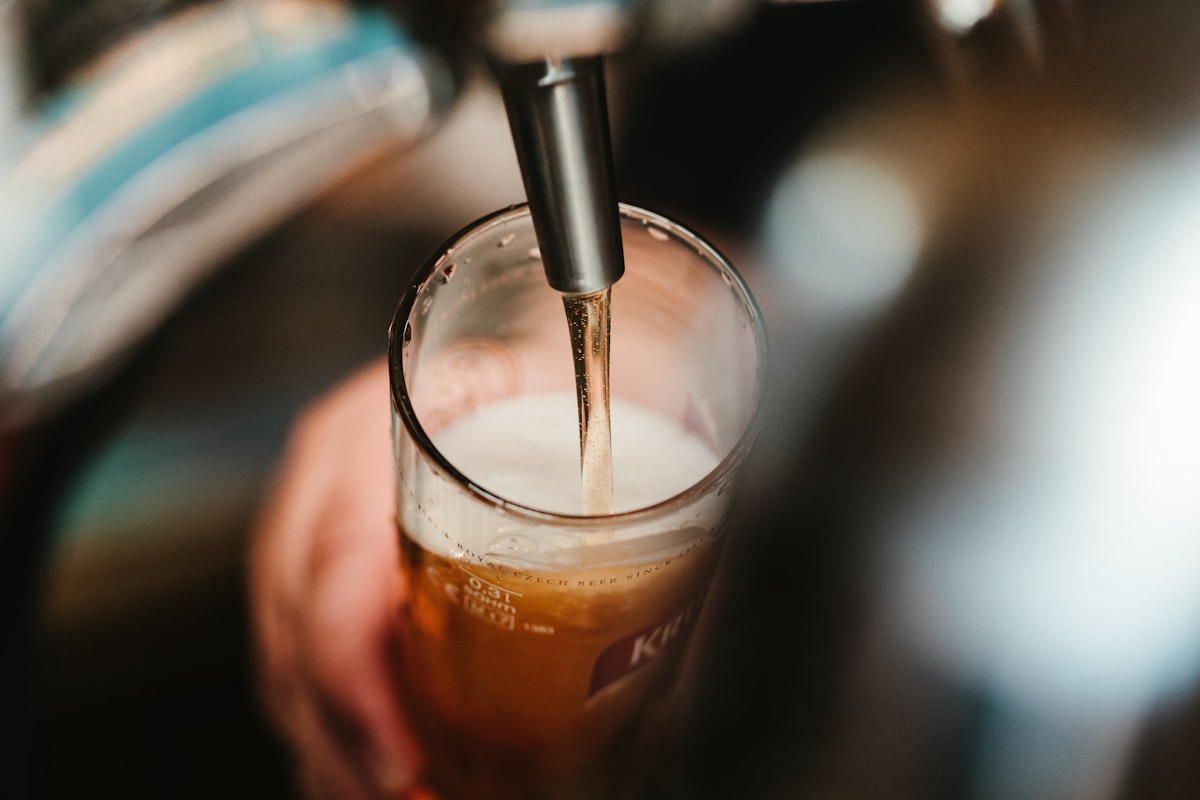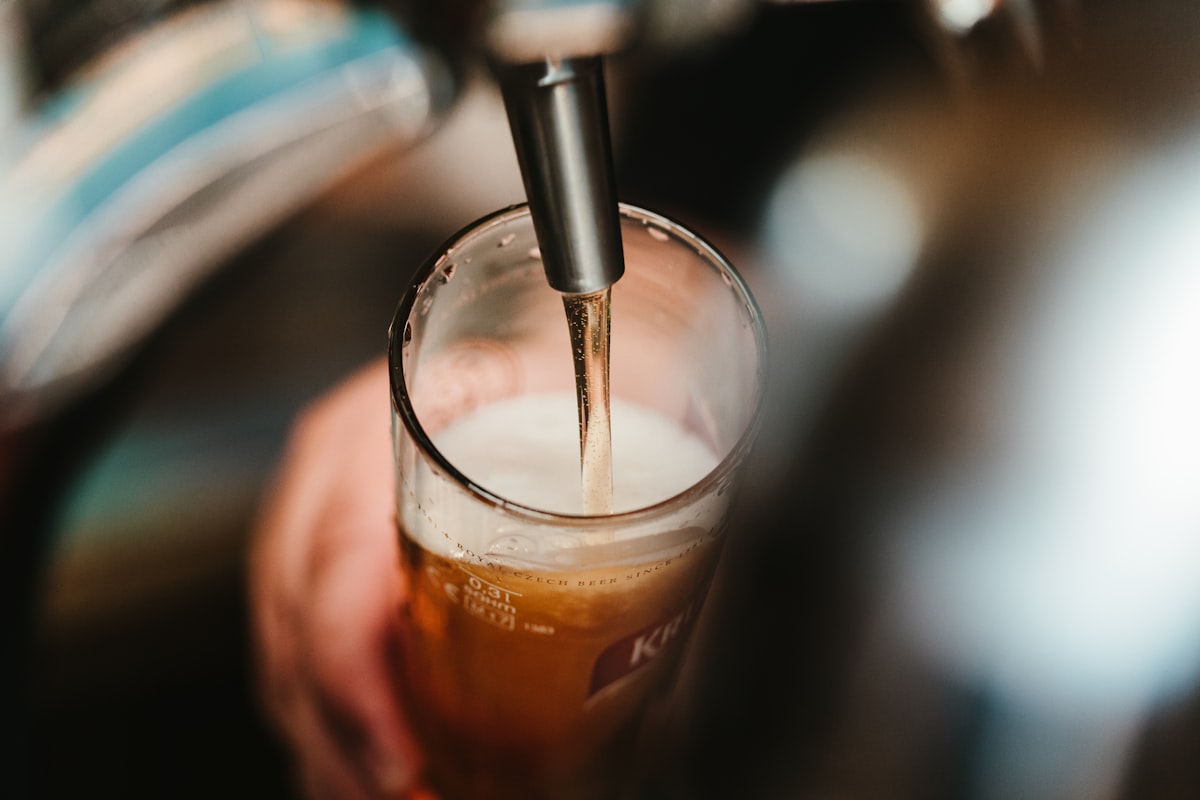
Craft beer loves its hype drops. Limited releases with clever artwork. Line culture outside brewery doors at 6am. Reseller prices that turn a $15 four-pack into a $60 aftermarket trade. Breweries have borrowed the scarcity playbook from sneakers and streetwear, betting that artificial exclusivity builds cult loyalty.
But I wanted to know: does manufactured scarcity actually build loyalty? Or does it just exhaust people and push them toward breweries that actually want their money?
I ran a study with six US consumers to find out. The results suggest that hype-drop culture may be actively undermining the loyalty it claims to create.
The Participants
I recruited six personas aged 30-44 from Iowa, Pennsylvania, and Texas - a deliberately varied mix to capture different regional beer cultures. The group included parents juggling family responsibilities, shift workers with limited free time, and urban professionals with disposable income but busy schedules. Incomes ranged from modest to comfortable, providing a cross-section of craft beer consumers rather than just the most affluent enthusiasts.
What they had in common: they all drink craft beer regularly, they've all seen the hype-drop phenomenon play out in their local markets, and they all have opinions about what makes a brewery worth their loyalty and their dollars.
The Scarcity Rejection
The first finding was overwhelming: respondents rejected manufactured scarcity across the board. Not a single participant expressed willingness to camp out, queue for hours, or pay reseller prices for limited releases.
One participant captured the sentiment perfectly:
"Life's too full to camp out for a can with a cute label."
This wasn't apathy toward craft beer - these were engaged enthusiasts who genuinely enjoy the category. They simply refused to participate in artificial scarcity games. The hype-drop model assumes consumers will chase limited releases. These consumers chose not to chase.
The Availability Paradox
Here's the counterintuitive finding: wider availability actually increases purchase likelihood when quality and freshness are maintained. Scarcity doesn't create desire - it creates frustration. Availability creates purchase.
Participants described a simple decision process: if a beer they like is available at a convenient location with reasonable freshness dating, they buy it. If it requires effort, planning, or competition with other buyers, they simply buy something else that's equally good.
A shift worker in Texas explained:
"I work weird hours. I'm not tracking release dates or setting calendar reminders. If it's on the shelf when I'm shopping, great. If not, I'll grab something else that's good."
What Actually Builds Loyalty
If manufactured scarcity doesn't build loyalty, what does? Participants were specific about what earns their repeat business:
Consistent quality - the same beer tastes the same every time, batch to batch, with no surprises
Freshness transparency - clear dating on packaging and respect for cold chain logistics
Reliable availability - stocked at local retailers without hunting or tracking releases
Reasonable pricing - price-per-ounce that doesn't feel exploitative or premium for premium's sake
Taproom experience - welcoming atmosphere that makes visits enjoyable for regulars
None of these require artificial scarcity. All of them require operational excellence and genuine commitment to customer experience.
The FOMO Fatigue
Participants described what I'd call "FOMO fatigue" - they've been marketed to with urgency for so long that urgency itself has lost its power. Limited releases feel like manipulation rather than genuine opportunity.
A parent in Iowa observed:
"Every brand wants me to feel like I'm missing out on something special. At some point you realise it's all just marketing. I'd rather find a brewery that makes reliably good beer and stick with them."
The hype-drop model works when consumers believe the scarcity is real and the product is genuinely special. When they recognise it as a calculated marketing tactic, it backfires spectacularly.
The Parent Problem
Parents in the study raised a specific barrier: the logistics of hype drops are incompatible with family life. Early morning queues conflict with school runs. Weekend release events compete with kids' activities. The time and planning required to participate in hype culture simply isn't available to this segment.
One participant put it directly:
"I have exactly forty-five minutes between soccer practice and dinner prep. That's my beer-buying window. I'm not waking up at 5am to stand in line for a four-pack."
This has implications for category growth. If hype culture excludes parents - a major demographic for craft beer consumption - breweries are limiting their addressable market significantly.
The Reseller Resentment
Participants expressed active hostility toward reseller culture. They viewed secondary market prices as evidence that the brewery's distribution strategy has failed - not as validation of the product's desirability.
An urban professional in Pennsylvania explained:
"If your beer is selling for three times retail on the secondary market, that's not a flex. That's a sign you're not making enough or you're deliberately constraining supply. Either way, I'm not interested in playing that game."
This contradicts the assumption that reseller prices signal prestige. For these consumers, reseller prices signal inaccessibility - and inaccessibility breeds resentment, not loyalty.
What This Means for Craft Breweries
If I were advising a craft brewery on their release strategy, here's what I'd take away:
Prioritise availability over exclusivity. Make it easy for people to buy your beer when and where they shop.
Invest in consistency. Same great taste, batch after batch, builds more loyalty than occasional spectacular releases.
Respect your customers' time. Hype drops assume people have unlimited leisure. Most don't.
Focus on taproom experience. A welcoming atmosphere creates more loyalty than artificial scarcity ever will.
Price fairly. Consumers calculate price-per-ounce and resent feeling exploited.
The Bigger Picture
What struck me most about this research was how thoroughly participants rejected the scarcity playbook. The breweries that have borrowed from sneaker culture and streetwear may be optimising for the wrong audience - chasing clout with a small group of enthusiasts while alienating the broader market of people who just want good beer available when they want to buy it.
The path forward isn't more hype - it's less. Breweries that focus on quality, consistency, freshness, and availability will build the kind of quiet loyalty that outlasts any limited release.
Because at the end of the day, people don't want to feel like they're competing for your product. They want to feel like you want their business. And that means making it easy to buy, not hard.
What the Research Revealed
We asked real consumers to share their thoughts. Here's what they told us:
Some beers become "hyped" - everyone wants to try them. When a craft beer gets popular and becomes easier to find, does it become less appealing to you? Is scarcity part of the appeal?
Christina Severin, 39, Loan Officer, Rural, IA, USA:
Short answer: scarcity is not the appeal for me. If a beer I like gets easier to find, great - toss it in the Hy-Vee cart with eggs and get on with life. What actually matters to me:
Consistency - tastes the same next month as it did this month.
Fair price - no “we got popular so now it’s $18 a four-pack” nonsense.
Freshness and access - I’d rather buy it at the co-op than chase it across counties.
Fit for real life - pairs with chili, works at a tailgate, fine to bring to a neighbor’s fire pit.
Quality slips - scaling up and it starts tasting thin or sweet.
It turns into merch first, beer second - stickers, drops, attitude, and I’m babysitting hype instead of enjoying a drink.
Price creeps without reason - I’m not subsidizing your swagger.
Do I like limited releases at all? Sure - a good Oktoberfest in fall or a once-a-year stout around Christmas is fun. Limited as in seasonal rhythm, not scarcity theater. If I have to set an alarm and elbow strangers, I’m out. Life is full - soccer games, church potlucks, actual work - I’m not auditioning for a can. So no, popularity doesn’t make a beer less appealing to me. If anything, accessible and reliably good is the sweet spot. If a brewery leans on manufactured scarcity to stay interesting, I lose interest fast and grab a solid lager instead.
Grady Woods, 38, Data Analyst, Grand Prairie city, TX, USA:
No. I don’t drink, so popularity or scarcity doesn’t move the needle for me at all. Scarcity, as a selling point, reads like manufactured drama or poor planning. If something is genuinely good, make enough so regular people can get it without a circus. For the things I do care about - coffee beans, halal brisket - I value steady supply and consistent quality over “drop” culture. Build the shelf, don’t auction the screws.
Austin Bradley, 36, Unemployed Adult, Rural, PA, USA:
No. If a beer gets popular and I can grab it easy, that makes it more likely I’ll try it, not less. Scarcity ain’t a feature. It’s a headache. Feels like a trick to tack on a few bucks. I care about simple stuff:
Price that doesn’t punch me in the jaw
Cold can, easy to find at the store or gas station
Doesn’t taste like I’m chewing a pine branch
Hype is just foam that blows off. Beer shouldn’t be a treasure hunt. It should be something cold after a long day, not a field trip with a line and a wristband.
Kinsley Guerrero, 35, Logistics Coordinator, Houston city, TX, USA:
Short answer: scarcity is not the appeal. If anything, when it’s easier to find, it’s a tiny bit more appealing - as long as the price is decent and nobody gives me attitude. Why:
Chasing is stress - lines, drops, FOMO... ni loca. I have a 4:30 a.m. alarm and two lunchboxes to pack.
Accessible is good - if I can grab it cold after work, pay cash, no fuss, fine. Hype or not, I just want to get home.
Price matters - if popularity means the price shoots up or it’s all tiny fancy cans, pass. My envelopes don’t stretch for somebody’s buzz.
Real scarcity vs. marketing - mango season or pan de muerto sold out after church, ok that makes sense. Manufactured “limited” beer just feels like a trick.
So no, the “hard to get” part doesn’t tempt me. Give me cold, crisp, pairs with tacos, and no drama. If it gets popular and stays humble, cool. If it turns into attitude and a hype tax, entonces no gracias. Despacio pero seguro.
Some craft breweries cultivate an intentionally rebellious or underground image. Does that kind of "we're not for everyone" attitude appeal to you or turn you off?
Christina Severin, 39, Loan Officer, Rural, IA, USA:
Short version: it mostly turns me off. I don’t need a brewery to play rebel-with-a-can to get my attention. That we’re not for everyone vibe usually smells like marketing cologne on a flannel shirt. If your beer is good, you don’t have to sneer at people who buy theirs at Hy-Vee. What works for me:
Authenticity over attitude - family-run, knows their farmers, supports the food pantry, treats staff well. Quiet confidence beats chest-thumping.
Inclusive taproom - kids can split a soft pretzel, neighbors in work boots feel welcome, clean bathrooms, friendly service.
Craft, not cosplay - consistent quality, seasonal ingredients, reasonable prices. No scarcity theater at 10 a.m. on a Tuesday.
Gatekeeping - if your shtick is making people feel uncool, hard pass. I left that energy back in college.
Raunchy labels - I’m a mom. I’m not parking a cartoon pin-up in my fridge where the kids grab LaCroix.
Edgy-for-edgy’s-sake - politics on the can, cash-only, attitude at the bar. Life’s too short and my Saturday is booked.
If “not for everyone” means “not for snobs and we’ll pour a half for anyone curious,” fine. If it means “we’re too cool for your dad and his seed cap,” then no thanks. I’ll take a well-made lager on a picnic table with neighbors over a performative punk IPA any day.
Amarilys Jackson, 30, Hair Stylist, Rural, NJ, USA:
Mostly a turn-off. That whole “we’re not for everyone” thing usually reads like try-hard gatekeeping. Cool, congrats, you brew beer and invented an attitude. Mira, I’ve got two kids, a tight schedule, and a back that complains for sport. I’m not auditioning to join your hop cult. If it’s genuinely about doing their thing without chasing trends, ok, respeto. But when it turns into eye-roll sarcasm on the menu, blacked-out cans, and staff acting like you need a password to order a lager, no gracias. What actually pulls me in:
Chill vibe, picnic tables, kid-tolerant, decent bathrooms
Simple menu done well, maybe a food truck that isn’t a joke
Fair prices without a lecture about my palate
If I’m spending my Saturday money, I want community, not a clubhouse. Save the “exclusive” energy for sneaker drops. For beer, give me good, cold, friendly. If that’s not “for everyone,” then it’s not for me.
Grady Woods, 38, Data Analyst, Grand Prairie city, TX, USA:
Mostly a turn off. I don’t drink, so that rebel-brewery posture is just background noise. “We’re not for everyone” usually reads like gatekeeping and price padding, not proof. If you’re truly focused, show it with standards and consistency, not a chip on the shoulder. If it doesn’t drive nails straighter, it’s just paint on the hammer. Hard pass.
Hope Smith, 44, Administrative Assistant, Philadelphia city, PA, USA:
Short answer: mostly a turn-off. That whole “we’re not for everyone” energy usually reads like insecure gatekeeping. Beer is not Fight Club. Philly already does scrappy without the attitude. If the rebellion is real - independent, worker-positive, community-rooted - I can vibe. If it is a costume for clout and scarcity, miss me with that. I’m not freezing in a line to be judged by a bearded clipboard. What turns me off:
Gatekeeping and smug “if you know you know” vibes.
Manufactured scarcity to juice hype, then eye-watering prices.
Try-hard branding - skulls-and-spraypaint font, bro-only energy.
Disrespect for folks who like lagers or don’t speak the lingo.
Worker care - fair pay, clear tipping, staff treated like humans.
Community receipts - fundraisers, local artists on the walls, collaborations that actually help neighbors.
Low-key hospitality - clean space, good lighting, playlists that do not shout, “all neighbors welcome” on the door.
Honest independence - not anti-everyone, just anti-corporate nonsense.
West Philly taught me cool is quiet. Give me a spot that is confident without being cruel. If your rebellion looks like warmth, fairness, and no hidden fees, I’m in. If it is sneering exclusivity, I’ve got a trolley to catch and soup on the stove. And in this brisk cold, I’m definitely not standing in an alley to prove I belong.
Have you ever gone out of your way to get a specific craft beer - waiting in line, traveling, or paying a premium? What motivated that level of effort?
Christina Severin, 39, Loan Officer, Rural, IA, USA:
Short answer: nope, I’m not standing in a line for beer. I’ve stood in enough lines - school pickup, potlucks, county fair bathrooms. Life’s too full to camp out for a can with a cute label. That said, I’ve gone a little out of my way a couple times:
We once detoured up to that well-known brewery in Decorah on a leaf-peeping weekend. Ben’s brother is obsessed, so we grabbed a couple four-packs as a gift. Motivation: family brownie points and a little Iowa pride.
On the way to see my sister in Omaha, we ducked into a taproom for a seasonal stout I’d heard about. Motivation: date-y pit stop, not the beer itself. It tasted like roasted coffee and nostalgia, paired great with chili when we got home.
Paying a premium? I’ll pay a couple bucks more for something truly local or if the proceeds support a cause I care about - 4-H, the food pantry, veterans - but I’m not shelling out flipper prices. If I can’t snag it at the co-op or Hy-Vee, I’m perfectly happy with iced tea or a basic lager in the cooler. Hype fades. A cold drink by the fire with neighbors - that’s the part worth chasing.
Grady Woods, 38, Data Analyst, Grand Prairie city, TX, USA:
No. I don’t drink, so the craft beer chase is a non-starter for me. Waiting in line for fermented hops sounds like paying for a headache and a hoodie. If I’m burning a Saturday, the output better be repeatable and family-friendly - fresh beans from a Dallas roaster, a halal brisket pickup in Irving, or a spice run that actually moves the needle at dinner. Motivation there is simple: quality we can taste, process I can control, zero buyer’s remorse.
Kinsley Guerrero, 35, Logistics Coordinator, Houston city, TX, USA:
Short answer: no. I’m not standing in a line for beer, ni loca. My shift starts at 4:30 a.m., my envelopes say renta-comida-luz, and a fancy 4-pack feels like throwing pennies in the air. I like a cold one with lime once in a while, or a michelada at the flea market if I’m feeling cute. But travel or pay a premium? For me, no. Time is money, and I’ve got kids, homework, and a back that already complains. Only exception: one time I did go out of my way for a coworker’s birthday. We did a little group gift and someone swore a certain “special” bottle would make her smile. I paid more than I wanted and took a bus detour after work. She lit up, so fine - worth it for her, not for me. So my motivation, if any, is:
People I love - making someone feel seen.
Reciprocity - folks who cover me when the bus runs late deserve something nice.
Occasion - a birthday or a big win, not a random Tuesday.
For myself, I’d rather buy pan dulce for the kids and sleep. With all the mess on the news, a quiet night and a cheap cerveza in my kitchen beats chasing some hyped bottle every time. Despacio pero seguro.
Amarilys Jackson, 30, Hair Stylist, Rural, NJ, USA:
Short answer: nah. I’m not waking up at dawn to stand in a line with beer bros for a can that tastes like grapefruit pith. I’ve got kids, clients, and a spine that already hates me. Only time I went a little out of my way: we swung by Kane on the way back from the Shore because my husband wanted some limited stout for a guys’ night. I waited, like, 40 minutes and paid a silly price. It was good, like dessert in a bottle, but not “plan-your-day-around-it” good. The motivation was basically:
Be a good wife and show up with something special
Curiosity after seeing the hype on IG
Turn it into a mini date with tacos while the kids ran around
I’ve also hit Cape May Brewery during a bachelorette once. Fun vibes, cute sours, but I’m not driving three towns for a can drop. If I’m going out of my way, it’s for pan sobao, coquito season, or a proper cafecito. For beer, give me something cold and simple on the deck and spare me the playoff-level theatrics.