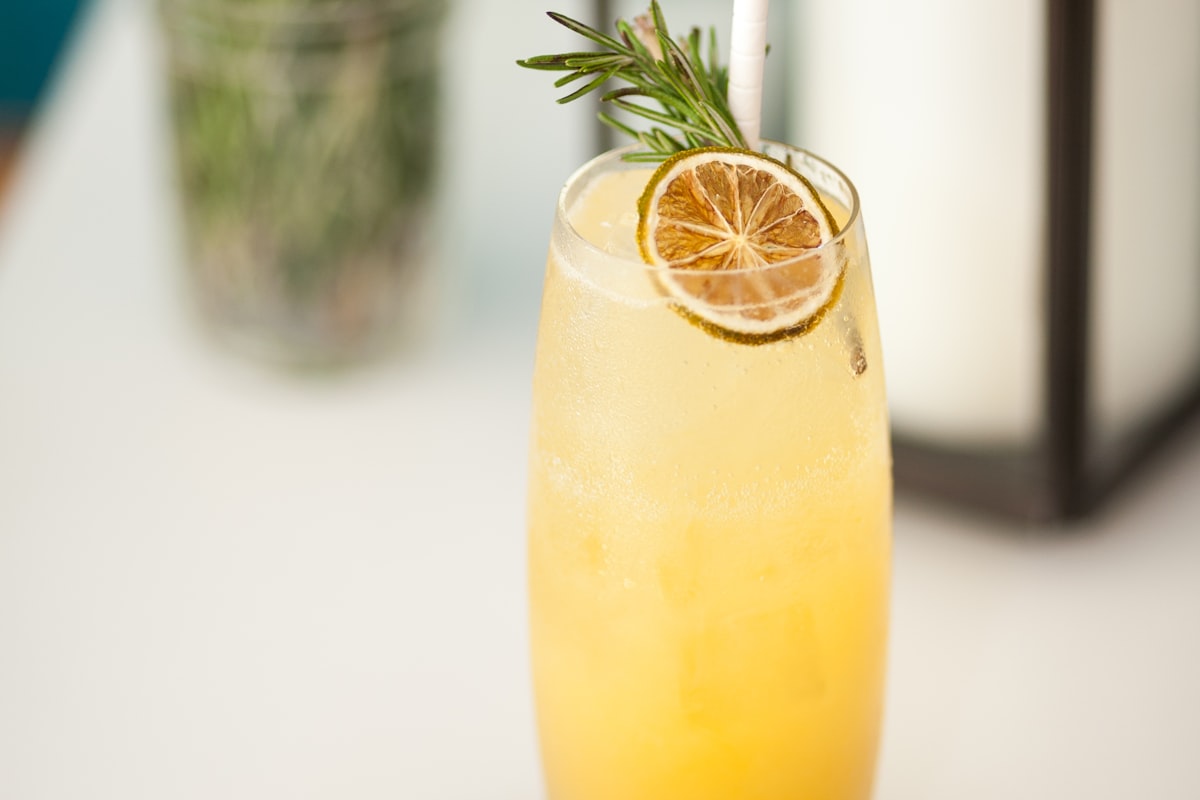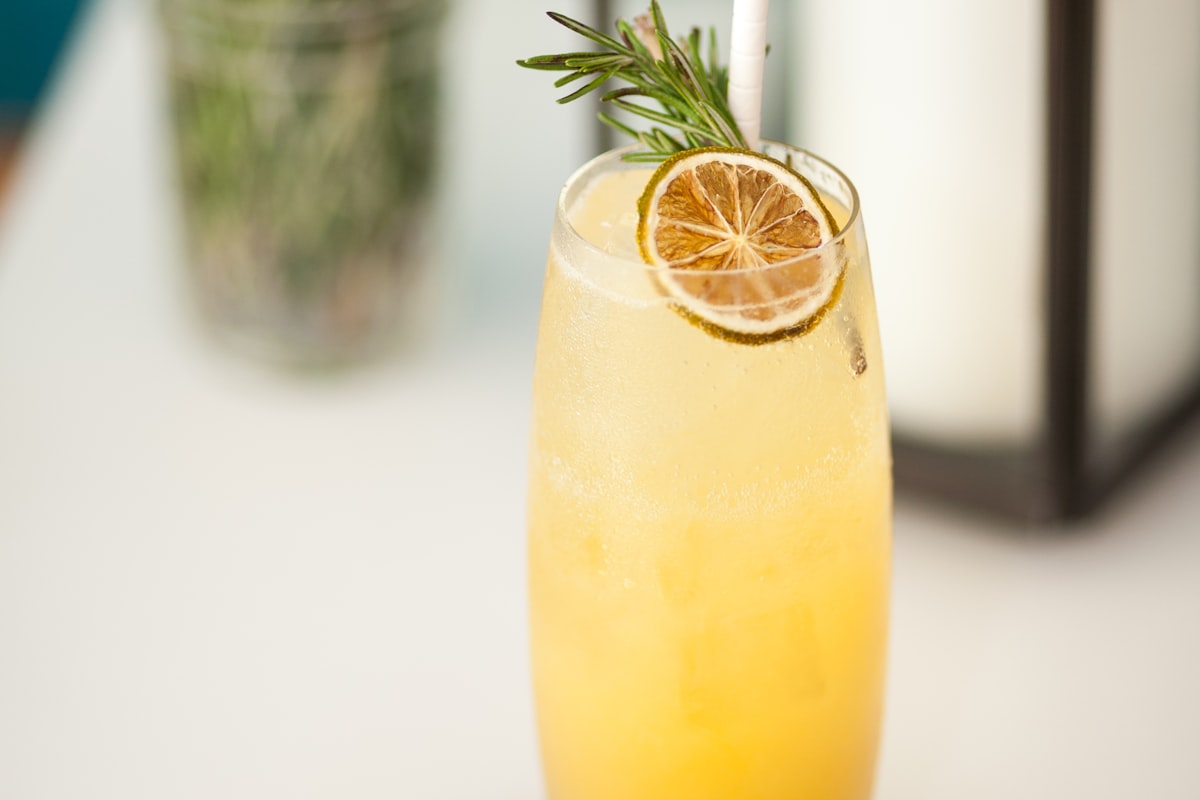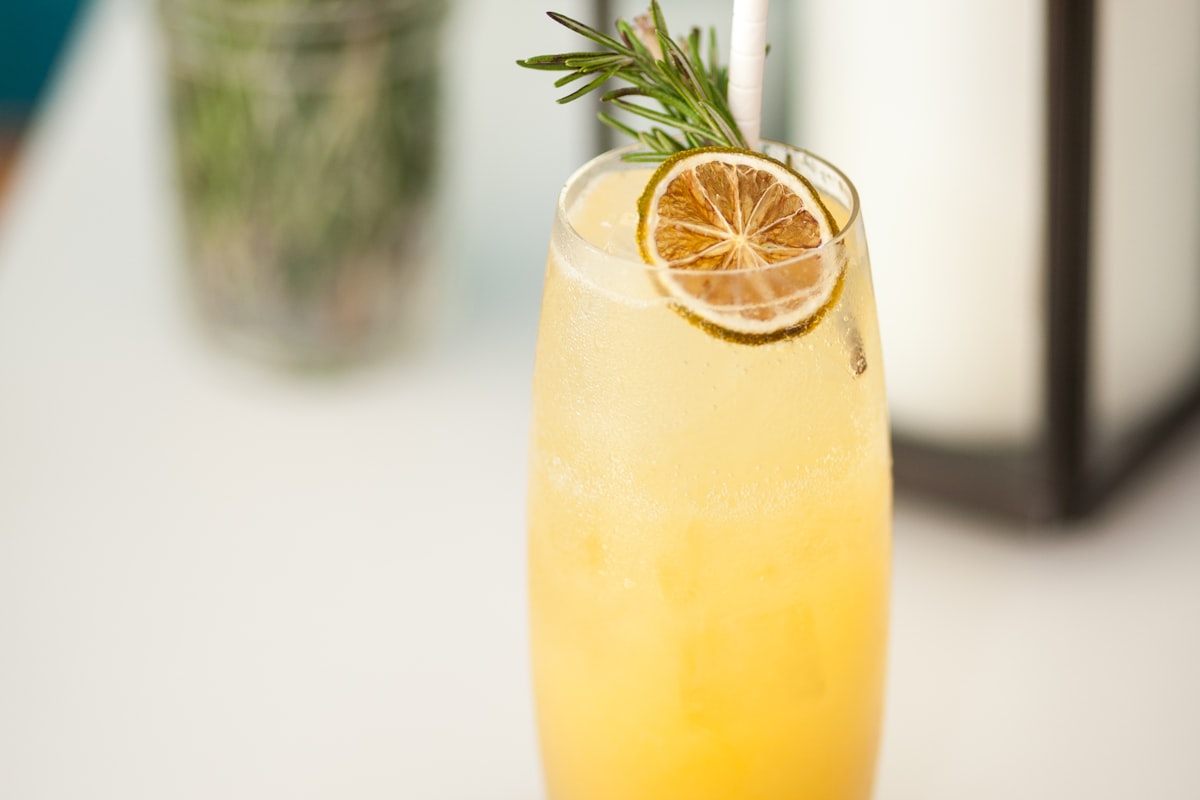
Spindrift has carved out a premium position in the sparkling water category with "real squeezed fruit" - actual juice rather than "natural flavours." The positioning is clever: transparent, authentic, and clearly differentiated from LaCroix, Polar, and store brands. The cans even show the percentage of real fruit juice, making the differentiation tangible and verifiable.
But I wanted to know: does real fruit juice actually drive purchase? Or is it just a nice story that adds calories, softens the carbonation, and justifies a premium price without delivering value consumers actually care about?
I ran a study with six US consumers to find out. The results suggest that Spindrift's positioning, while compelling, may be misaligned with what consumers actually prioritise when choosing sparkling water.
The Participants
I recruited six personas aged 31-50 from rural and suburban markets across the US. The mix included a quality assurance professional who reads every label meticulously, a grocery manager who understands retail dynamics and category trends, and practical consumers across diverse roles. Income levels varied, capturing different price sensitivities.
What they had in common: they drink sparkling water frequently, they've tried multiple brands including premium options, and they have strong opinions about what makes one option better than another.
Carbonation Is King
The primary finding was decisive: the main driver isn't fruit - it's fizz. Carbonation intensity and longevity dominated purchase criteria. Participants wanted aggressive bubbles that persist throughout the drinking experience, providing that satisfying bite they switched to sparkling water for.
One participant put it perfectly:
"Hard fizz. That's what I'm looking for. If it tastes like perfume or the bubbles die in five minutes, I'm out. The fruit part is nice, but the carbonation is non-negotiable."
This creates a challenge for real-fruit positioning: juice content can actually reduce perceived carbonation bite. The very differentiation Spindrift is selling may undermine the attribute consumers care most about.
The Purchase Hierarchy
Participants revealed a clear decision hierarchy when choosing sparkling water:
Carbonation "bite" and clean taste - the primary consideration, outweighing all others significantly
Unsweetened or very low sugar - consumers switching from soda specifically want to avoid sugar
Price value - per-can cost matters, especially when buying in bulk for high consumption
Flavour variety - options beyond standard lemon and lime
Ingredient sourcing - real fruit vs natural flavours functions as a secondary tiebreaker
Real fruit sourcing - Spindrift's key differentiator - ranked last in this hierarchy. It's a tiebreaker at best, not a primary purchase driver.
The Sugar Concern
Real fruit juice adds calories and sugar - even if natural. This created concern among health-conscious participants who switched to sparkling water specifically to avoid sugar and empty calories. They viewed the fruit content as a potential drawback rather than a benefit.
A quality assurance professional explained:
"I drink sparkling water because it's zero calories. When I see fruit juice listed, I check the nutrition facts immediately. Even 10 calories per can - I'm drinking four or five a day. That adds up to significant calories I didn't want."
The Premium Niche Reality
Participants consistently viewed Spindrift and similar real-fruit brands as premium niche products rather than everyday choices. The positioning works for specific occasions - a treat, a special purchase, serving guests - but not for daily high-volume consumption.
A grocery manager with deep category knowledge explained the market dynamics:
"Spindrift buyers are a specific type. They're paying for the story and the real-fruit differentiation. But volume moves on the mainstream brands - LaCroix, Polar, store brands. That's what fills refrigerators for families going through cases each week."
The Price Barrier
Premium pricing significantly limits adoption. Spindrift costs considerably more per can than mainstream competitors. Participants calculated this math carefully, especially given their high consumption volume.
One participant set a clear threshold:
"I go through two or three 12-packs a week. At Spindrift prices, I'd be spending double what I spend now. The real-fruit thing is nice, but it's not nice enough to double my sparkling water budget indefinitely."
The Flavour Profile Issue
Some participants mentioned that real fruit juice can create "perfumey" or overly sweet flavour profiles. They preferred the cleaner, crisper taste of essence-based flavouring. This is counterintuitive to Spindrift's positioning but reflects actual sensory preferences among regular sparkling water consumers.
A participant who had tried multiple brands noted the difference:
"I actually prefer the natural-flavour brands. They taste cleaner to me. The real-fruit ones can taste almost syrupy or heavy. That's not what I want in sparkling water - I want crisp and refreshing."
Availability also shapes perception. Premium real-fruit brands often have limited distribution compared to mainstream options. Participants mentioned that if they can't find Spindrift at their usual store, they'll simply buy whatever is available rather than making a special trip. Convenience matters when the primary product benefit - carbonation and taste - can be satisfied by multiple brands.
What This Means for Real-Fruit Sparkling Water
If I were advising Spindrift or any real-fruit sparkling water brand on their strategy, here's what I'd take away:
Prioritise carbonation intensity. This matters more to consumers than fruit sourcing by a significant margin.
Accept the premium niche positioning. Don't try to compete on everyday volume with mainstream brands.
Address the sugar concern proactively. Health-conscious consumers worry about added calories even from natural sources.
Consider taste profile carefully. Real fruit can create heaviness that some consumers find unappealing.
The Bigger Picture
What struck me most about this research was the gap between Spindrift's positioning and consumer priorities. The brand leads with real fruit. Consumers prioritise carbonation and clean taste. There's a fundamental mismatch in messaging and value proposition.
This doesn't mean real-fruit positioning is wrong - just that it's a premium niche play rather than a mass-market strategy. Spindrift can succeed as a premium brand for consumers who specifically value ingredient sourcing transparency. But it's unlikely to capture significant share from mainstream sparkling water brands.
Because at the end of the day, most sparkling water consumers want one thing: aggressive, persistent bubbles with a clean, refreshing taste. Everything else - including real fruit - is a secondary consideration.
What the Research Revealed
We asked real consumers to share their thoughts. Here's what they told us:
What would make you switch from your current go-to sparkling water to something new? What would it take for a new brand to become your everyday choice?
William Stocker, 38, Director of Curriculum & Instruction, Rural, NJ, USA:
Short answer: beat my current on fizz, price, and availability with no gimmicks. If I have to think in the aisle, it’s a no.Okay, stepping back - here are the switch triggers that actually move the needle:
Fizz: equal or sharper bite than my Costco LaCroix, and it stays punchy to can 24.
Unit cost: everyday under 50 cents a can, not a one-week promo.
Availability: stocked at Costco or ShopRite reliably in 24- to 35-packs.
Flavors: lemon, lime, grapefruit only. No dessert weirdness. No sweeteners.
Packaging quality: sturdy tabs, no flat batches, minimal packaging waste. Slim 8-12 oz option is a plus for the kids.
No friction: one-stop pickup on our normal Costco run. No subscription, no scavenger hunt.
Path to everyday choice: I grab one case on the next Costco run, we run it for a week, and if fizz holds, the kids drink it, and the price sticks for two cycles, I flip the default and stop buying the old one.
Samantha Hockman, 38, Project Coordinator, Rural, GA, USA:
Short answer: It has to beat my current pick on fizz or price - ideally both - and be easy to grab where I already shop. Otherwise, I’m not switching. What would make me switch:
Everyday price: A real shelf price, not gimmicks. 12-pack in the $3.50–$4.50 lane, steady week to week. No silly 8-packs pretending to be a deal.
Stronger bubbles: A sharp bite that holds up in a cooler for soccer and still snaps at lunch. If it drinks like flat perfume water, I’m out.
Clean label: Water + natural flavor. No sweeteners (not even “natural”), no caffeine, no “immunity” fairy dust. Keep it simple.
Basic flavors done right: Lemon, lime, grapefruit - consistent and not candle-y. Don’t make me play flavor roulette.
Cans, not plastic: Standard 12 oz cans that stack in the fridge. Box that doesn’t disintegrate when the kids drag it in from the car. Our recycling takes aluminum - easy.
Always in stock nearby: On the shelf at Walmart or Aldi, most trips. I am not chasing bubbles across town.
Consistency: No weird batch swings. Clear date codes. If case one is snappy and case two is sleepy, you’ve lost me.
No shrinkflation games: Don’t quietly cut ounces or packs. I notice. I get annoyed. I switch.
Prove it for 2-3 months: Same fizz, same price, same flavors - reliable. I buy by habit. Earn the habit.
Simple trial: A straight BOGO or a first-time coupon is enough for me to test lemon and lime. If it’s clearly better in the glass, it replaces my default that week.
Any sweetener at all, weak carbonation, plastic bottles, goofy seasonal flavors, or stock drama. One or two flat cases in a row and I’m gone.
Bottom line: Beat my store brand on bite without beating up my wallet, show up on the shelf every time, and don’t mess with the formula. Do that, you’re my new Tuesday water.
John Barrera, 49, Construction Manager, Fort Worth city, TX, USA:
Short version: harder bubbles, cleaner finish, better value, easy to find. Do that steady for a month, y me cambio. What it would take to become my everyday pick:
Non-negotiables: Sharper carbonation than Topo or at least equal. No sweeteners, no perfume aftertaste. Clean, minerally, sin azúcar. If I taste lotion or candy, no gracias.
Price that respects the cart: Beat my current price-per-liter or give me more for the same. My TCO brain kicks in - if I can stock the garage without feeling dumb about it, that’s a win.
Packaging that fits real life: 12 oz glass for home, sturdy cans for the patio cooler, and a resealable bottle that actually holds fizz for the truck. Caps that keep the snap, not marketing copy.
Availability: Cold on the shelf at H-E-B or Fiesta every time. No scavenger hunt, no subscription. If I can’t grab it between site walks, it’s a non-starter.
Consistency: Case-to-case the bubbles stay tight and the taste stays clean. I don’t want lottery water. If batch 3 drinks flat, se acabó.
Side-by-side with my go-to for 2 weeks. If the new one still hits harder on day 10, we’re talking.
Stays crisp after a cap-on, cap-off day in the truck. No dead fizz by the driveway.
Plays nice with a lime wedge and doesn’t get weird warm. Pairs with carne asada and a Sunday michelada.
Marisol notices it tastes cleaner. Guests ask for a second without making a face.
“Natural flavor” that drinks like perfume.
Big bubbles that fade fast or a mineral film aftertaste.
Limited-time circus flavors, influencer noise, shrinkflation, or sneaky sugars.
Show up cold on an endcap, offer plain, lime, maybe grapefruit - all clean.
Price it fair for a 12-pack or liter glass. Let me take a case without feeling upsold.
Stay steady for 30-90 days. If you wobble, I’m out. If you don’t, you’re in the rotation, luego mi daily driver.
Bottom line: carbonation and clean finish drive the bus. If you also save me a few bucks and make it easy to grab after work, I’ll switch without a speech. If I have to think about aftertaste, it’s not coming home.
Iesha Wilcox, 31, Retail Store Manager, Rural, IN, USA:
Short answer: beat my price and my bubbles, stay in stock, and don’t get cute. I do not pay a vibe tax. What would make me switch
Price - Under my cap on normal weeks, not just promo. Clear unit price. No bait and switch after month one.
Carbonation - A hard bite in a can. If it hits close to Topo-level sharp without glass, I’m listening.
Ingredients - No sweeteners. Low or no sodium. Clean label. No weird aftertaste.
Flavors - Lime and grapefruit, steady and not perfume-y. Single-flavor 12-packs. Keep the dessert stuff.
Packaging - Slim cans that stack. Sturdy fridge-pack box, tight seams, fresh date codes. Cans don’t bulge in heat or crack in this cold.
Consistency - Case to case tastes the same. No flat duds in the middle of the pack. I’ll test 2-3 cases. If it holds, it sticks.
Availability - On my shelf every week. Not an app-only unicorn. Paper tag, real stock, not just a photo in the ad.
Promo rhythm - Predictable cycle so I can stock 2-3 cases at the floor price. No hoops, no loyalty points games.
Logistics - Boxes arrive clean, no crushed corners, no sticky cans. If your vendor can’t rotate, I’m out.
No nonsense - Don’t change formula or shrink the pack after I switch. I notice. I remember.
What it would take to become everyday: hit my price and bite, prove it for a few cycles, stay on the shelf, and don’t mess with it. Do that and I’ll drop my current pick without a second thought, probably. If you get cute or drift on price, I’m back to store brand.
How important is it that a sparkling water has REAL fruit juice versus just natural flavoring? Would you pay more for real fruit? Does it affect how you perceive the taste?
William Stocker, 38, Director of Curriculum & Instruction, Rural, NJ, USA:
Real juice is a nice-to-have, not a need. It tastes cleaner and pairs better with food, but it usually softens the fizz and bumps calories, so for daily drinking it loses to a hard, clean seltzer. I’ll pay a small premium for real fruit in specific slots - pizza night for Laura or hosting - but not daily, and I will not pay double for it. Okay, stepping back - here’s what actually drives my cart:
Fizz first: hard, lasting bubbles win
Price second: daily stock stays under ~50 cents a can
Real fruit is a tie-breaker: worth a small bump only for meals or guests
Iesha Wilcox, 31, Retail Store Manager, Rural, IN, USA:
Short answer: not very. Most of the “real juice” cans are like 2 to 5 percent juice. That’s a splash, not worth the markup. I drink plain or cheap flavored seltzer and throw in a lemon slice from the fridge. Tastes cleaner, less sticky, no surprise calories. Would I pay more? Maybe 10 to 20 cents a can, tops. I am not paying double for a token pour of juice. If it’s actually 10 percent juice and on sale, I’ll grab a sleeve for guests or a treat. Otherwise I stick to store brand. Taste wise, yeah, real juice can feel rounder and a bit tart, less perfume. Natural flavoring can get weird or fake if it’s a bad batch. But ice-cold with bubbles, I barely tell unless the juice is higher or it’s citrus. If I want real fruit, I’ll add my own and be done with it.
Melissa Fawcett, 50, Full-Time Community Health Representative, Rural, AZ, USA:
Short answer: real juice is a treat, not my daily buy.
Taste: Real juice tastes brighter and more honest. You can smell it, and it doesn’t have that perfumey aftertaste some “natural flavor” cans give. But I only need a splash. A whole can of juice-sparkling gets sweet fast.
Cost: I won’t pay extra most days. I buy plain or lime seltzer by the case when it’s on sale. Real-juice cans are for guests or a long hot day, not routine.
Sugar: Michael watches sugar, so the juice ones are rare in our house. Plain or “natural flavor” keeps it simple.
What I actually do: Plain seltzer, then I add a lemon wedge or a few frozen peach slices. Same clean taste, cheaper, no weird aftertaste.
So yes, real juice tastes better to me, but not enough to pay more except once in a while. You buying for everyday or a weekend treat?
Samantha Hockman, 38, Project Coordinator, Rural, GA, USA:
Short answer: Nice-to-have, not a must-have. I’ll pay a small premium for real juice once in a while, but fizz and price still win my cart. How I see it:
Importance: For everyday, I do not need real juice. Give me strong bubbles, clean lemon or lime, and a sane price. Real juice slides into the treat lane.
Would I pay more: A little. If it is clearly better in the glass, I’ll spend a buck or two more per case here and there. I am not paying boutique pricing on a Tuesday just to drink fruit water.
Taste: Real juice tastes more real and pairs nice with dinner. But it can dull the bite, feel heavier, and if the kids spill it, everything is sticky. Natural flavor is cleaner and sharper when done right. If it leans perfume-y, I skip that flavor and move on.
Bottom line: Fizz first, price second, real fruit is a sometimes treat. If I want “soda without the guilt,” I’ll grab the real-juice option. Otherwise, I want cold, crisp, and cheap.
When you buy sparkling water, what matters most to you? Walk me through how you pick between brands like LaCroix, Topo Chico, Spindrift, or store brands.
William Stocker, 38, Director of Curriculum & Instruction, Rural, NJ, USA:
Carbonation bite, clean flavor, and price per can. If it tastes like perfume or the bubbles die in five minutes, I’m out. I do not want sweeteners or fake vanilla anything. Caleb drinks more water if it’s “spicy,” so bubbles matter. Okay, stepping back - here are the two things that actually move the needle: hard fizz and under 50 cents a can.
LaCroix: Weeknight default from Costco. Grapefruit or lime only. Good fizz, cheap, zero drama.
Topo Chico: Overpriced, but the bubbles punch. I buy it for hosting or after heavy yardwork. Not for kids or coolers with glass.
Spindrift: Tastes real, tiny calories, weaker fizz. Laura likes it with pizza. I treat it like a Friday splurge.
Store brands: Fine if the fizz holds and tabs don’t feel flimsy. I’ll grab lime if it’s on a loss-leader sale. If it tastes “chemically,” it never comes back in the house.
My rule of thumb: grab the Costco variety for the month, keep one “nice” bottle option for guests, and fill gaps at ShopRite only if the unit cost is low. Flavors stay boring on purpose - lemon, lime, grapefruit - because the dessert ones taste like a lab. If I have to think about it in the aisle, it’s already a no.
John Barrera, 49, Construction Manager, Fort Worth city, TX, USA:
Short version: I buy what’s cold, has a clean finish, and hits hard on bubbles. If it tastes fake or dies fast, fuera. Here’s how I actually pick at H‑E‑B or Fiesta:
First question - what’s the job? If I want straight crisp fizz with dinner or after a run, it’s Topo. If I want a little flavor without junk, I’ll grab Spindrift as a treat. If I’m stocking the cooler for a group or a long week, I’m fine with store brand cans. LaCroix is ok when it’s cheap, but a lot of flavors taste like they were stored near fruit, not with it.
Carbonation bite: I want that sharp, small-bubble snap. Topo wins. Spindrift is softer because of the juice. Store brands are hit-or-miss. If it drinks flat by the time I hit the driveway, no gracias.
Taste and aftertaste: Clean, mineral, sin azúcar. Topo’s neutral-mineral works with lime. Spindrift tastes like real fruit - good - but I cap it at one can because calories add up. LaCroix can get perfumey. Store brand lemon-lime is fine cold in a can, not great warm.
Container and use case: Glass 12 oz at home is my favorite - stays cold and feels right. Plastic is fine for the truck or job sites - no broken glass. Cans are best for the patio cooler or church potluck. Resealable matters if I’m bouncing between campuses.
Price per liter: I check the tag. If Topo’s on sale, I load up. If not, I split the cart - one Topo 12-pack for me, one store brand for guests and mixers. I don’t chase influencer flavors. No subscriptions - no slow leaks.
Pairing: With carne asada or brisket, Topo with a lime wedge. For a Sunday michelada, Topo again. Spindrift when I’m bored of plain. LaCroix only if someone else brings it or the price is silly good.
Bottom line: carbonation and clean finish drive the bus. If I have to think about aftertaste, it’s not coming home. Today’s sunny and perfect - patio weather - so yeah, I’d reach for a cold Topo with a lime, no question.
Samantha Hockman, 38, Project Coordinator, Rural, GA, USA:
Short answer: I’m picky about bubbles, simple on ingredients, and cheap about price. I’m not paying boutique prices for fizz unless it really hits. What matters most to me:
No sweeteners and clean label. If it tastes like a diet soda knockoff, I’m out.
Strong carbonation. I want a bite, not flat perfume water.
Reliable flavors. Lemon, lime, grapefruit. Not chasing weird seasonal flavors that taste like a candle.
Package. Cans > plastic bottles. Cans stay fizzy, pack easy for soccer, and our recycling actually takes them. Glass is great but not kid friendly.
Price per ounce and what’s actually in stock at Walmart or Aldi. I do not drive around hunting fancy bubbles.
Store brand - My default. Aldi or Walmart. Cheap, consistent, basic flavors, solid fizz. If the lime is in stock, I grab a case and do not think twice.
LaCroix - Fine on sale, but hit or miss. Some flavors are crisp, others taste like someone whispered “mango” over a glass of water. I stick to lemon or grapefruit. If it is cheaper than store brand that week, I’ll swap.
Topo Chico - Best bubbles, hands down. The minerals give it that sharp snap I like. But it is pricey and the glass bottles are a pain with kids and no-glass fields. I buy it for me when it is on sale or if I need a treat after a long clinic week.
Spindrift - Tastes real because it is. Also a calorie hit and costs more. It is a weekend treat, not a staple. Lemon or raspberry-lime only. And yes, it gets sticky if the kids spill it in the car, which they do.
Everyday: store brand cans, lemon or lime.
Sale week: LaCroix if priced right, keep to simple flavors.
Treat: Topo Chico for the bite, Spindrift when I want “soda without the guilt.”
Bottom line: I want cheap, cold, and snappy. Marketing fluff does not move me. If it is not clearly better in the glass, I am not shelling out for it.
Melissa Fawcett, 50, Full-Time Community Health Representative, Rural, AZ, USA:
Price and bubbles. If it is weak or perfumey, I am out. I want no sugar, no sweeteners, clean lime or plain, and packaging that survives a hot, dusty truck ride. If it costs more than milk, I roll my eyes and keep walking. How I pick, right in the aisle:
Unit price first. I look at the little shelf tag and pick the cheapest per can or per liter.
Label. If I see sugar or sweetener, it goes back. Michael is watching sugar.
Package. Cans for the cooler. Glass stays home. Plastic loses fizz.
Flavor. Plain, lime, maybe grapefruit. No dessert flavors. No “mystery flower.”
Date code. Old stock tastes flat. I grab the fresher case from the back.
LaCroix: Good when it is on sale. Bubbles are decent. Some flavors taste like soap to me, so I stick to lime or grapefruit.
Topo Chico: Strongest bite. Tastes good with a squeeze of fresh lime at dinner. Glass is a pain in the truck and it is pricey, so it is a treat, not daily.
Spindrift: Real juice, you can taste it, but that means calories. Costs too much. I buy it rarely, like a little weekend treat for the kids, then back to plain.
Store brand: Usually what I buy. If the batch is fresh, it is fine. Sometimes the bubbles fade faster, but the price wins.
Everyday: store brand lime or plain by the case.
Sale weeks: LaCroix lime or grapefruit.
Nice dinner at home: one or two Topo Chico bottles, ice cold.
Once in a while treat: Spindrift for the kids, then we go back to plain.
I also do cold tap water with lemon when the budget is tight. Simple and it works. You want my quick price cutoff and which stores usually have decent stock where I am, or are you set with that?