"Vet-recommended." "Human-grade." "Made with real chicken." Every premium pet food brand makes these claims. The packaging shows happy dogs and wholesome ingredients. The marketing positions fresh pet food as a healthier, more caring choice for your furry family member.
But I wanted to know: do pet parents actually believe these claims? And what would it take to make them switch from conventional kibble to fresh food?
I ran a study with six rural US pet owners to find out. The results reveal that building trust in the fresh pet food category is harder than brands might assume.
The Participants
I recruited six pet owners from rural areas across the US - a deliberate choice since rural consumers often face different considerations around pet food, including limited retail access and practical concerns about storage and refrigeration. The group included working families with multiple pets, single adults with deep bonds to their dogs, and practical pet owners who balance care with budget constraints.
What they had in common: they all consider themselves responsible pet parents, they've all seen fresh pet food marketing, and they all have significant scepticism about premium pet food claims.
The Default Scepticism
The first finding was striking: default scepticism dominates. Consumers view generic badges like "vet-recommended" and "human-grade" as marketing signals that prompt verification, not purchase drivers that inspire trust.
One participant explained the reaction:
"When I see 'vet-recommended,' my first thought is: which vet? Paid by whom? That badge makes me more suspicious, not less."
This scepticism isn't unique to pet food - it reflects broader consumer distrust of unsubstantiated claims. But pet food faces a particular challenge: consumers can't taste-test the product themselves. They rely entirely on external signals to evaluate quality.
What Actually Builds Trust
Trust builds exclusively through verifiable evidence. Participants were specific about what would move them from scepticism to consideration:
Named experts with roles - "named people with credentials I can look up" rather than anonymous "vet-recommended" claims
Lot-level traceability - Certificates of Analysis, batch codes, QA logs, audit reports accessible via QR code
Visible ingredients - you can see actual meat and vegetables, not uniform brown pellets
Pet responses - visible enthusiasm when eating, improved coat condition, energy levels
Independent reviews - verified purchases from other pet owners, especially those with similar dogs
The theme is consistent: show proof, not claims. Trust builds through evidence that consumers can verify themselves.
The Visible Ingredients Factor
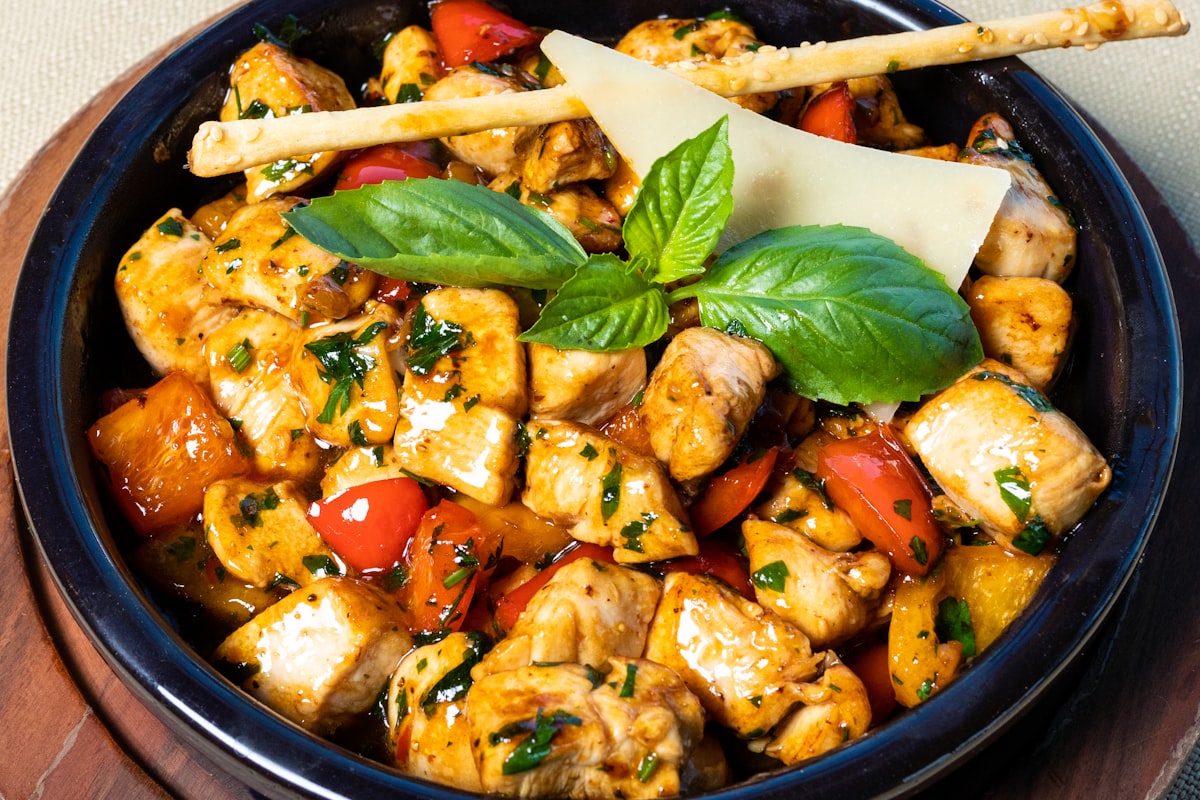
Fresh pet food has a unique advantage: visible ingredients. Unlike kibble, which reduces everything to uniform brown pellets, fresh food shows recognisable meat, vegetables, and grains. This visibility creates a trust signal that's hard to fake.
One participant described the appeal:
"When I can see actual chunks of chicken and carrots, I don't need to trust a label. I can see with my own eyes what my dog is eating."
This suggests that fresh pet food brands should lean into visual transparency - clear packaging, product photography that shows actual contents, even video content of food preparation.
The Rural Considerations
Rural pet owners face practical barriers that fresh pet food brands often overlook. Delivery logistics in rural areas can be unreliable. Refrigeration requirements create storage challenges. And the premium pricing that works in urban markets may feel excessive when local feed stores offer affordable alternatives.
One participant raised a specific concern:
"I live 40 minutes from the nearest grocery store. How do I know the frozen food will still be frozen when it arrives? The delivery window out here is never reliable."
Brands that want to serve rural markets need to address cold-chain concerns explicitly - insulated packaging, delivery timing guarantees, or partnerships with local pickup points.
The Price Barrier
Price emerged as the primary barrier to trial. Fresh pet food costs significantly more per meal than conventional kibble, and participants needed strong justification before considering the switch.
The justification most often mentioned was health outcomes: if fresh food demonstrably improves a pet's health and reduces vet bills, the premium might pay for itself. But this claim needs proof.
One participant framed the calculation:
"If you can show me that fresh food means fewer trips to the vet, I might pay more. But 'might be healthier' isn't enough. Show me the data."
The Trial Size Need
Participants expressed strong interest in trial sizes that reduce risk. Many were unwilling to commit to a subscription or bulk purchase without knowing if their dog would actually eat the food and respond well to it.
One participant explained:
"My dog is picky. I've bought food she refused to eat before. I need a trial size or money-back guarantee before I spend real money on something that might end up in the trash."
This points to a trial-first conversion strategy: low-cost or free sample packs that demonstrate product quality before asking for ongoing commitment.
What This Means for Fresh Pet Food Brands
If I were advising a fresh pet food brand, here's what I'd take away:
Replace generic badges with named experts. "Vet-recommended" means nothing. "Formulated by Dr. Jane Smith, DVM" is verifiable.
Invest in lot-level traceability. QR codes linking to batch-specific quality documentation build trust.
Emphasise visible ingredients. Clear packaging and photography that shows real food content.
Solve rural logistics. Address cold-chain concerns with insulated packaging and delivery guarantees.
Offer trial sizes. Reduce trial risk before asking for subscription commitment.
The Bigger Picture
What struck me most about this research was how deeply pet parents care about what they feed their animals - and how thoroughly they distrust marketing claims. These are consumers who want to do right by their pets but won't be manipulated by generic badges and vague promises.
The path forward for fresh pet food isn't more marketing - it's more evidence. Show the ingredients. Name the experts. Document the quality. Make verification easy. Consumers who can trust what they see will pay premium prices. Consumers who can't verify claims won't convert no matter how compelling the marketing.
Because at the end of the day, pet parents want proof, not promises. And brands that deliver verifiable quality will earn the loyalty that empty claims never can.
What the Research Revealed
We asked real consumers to share their thoughts. Here's what they told us:
When you see a dog food brand claim its food is "human-grade," what is your reaction? Does this make the premium price feel justified, or does it seem like an unnecessary gimmick for a pet product?
Zachary Scheff, 34, Community Organizer, Abilene city, TX, USA:
Short answer: mostly a gimmick unless they show receipts. Dogs are not tiny people, so slapping "human-grade" on the bag feels like it is trying to sell me peace of mind more than what my dog actually needs. If they define it clearly and keep the price sane, I will listen. If it is just a shiny label and an auto-ship upsell, I roll my eyes and move on. Here is how I sort it:
Show your work: what do you mean by human-grade, what standards, what tests, and who signs off. If that is clear, I am more open.
Fit for my dog: protein, fat, and recipe that match my animal, not an Instagram meal kit.
Cost-per-bowl: if it is twice the price for the same results, hard pass.
Results first: stools, coat, energy, no tummy drama. That beats any label.
Edge cases: if a dog has a touchy stomach or I am spooked by recalls, I might pay a bit more for tighter sourcing and testing.
I am no expert, just a dad trying to be a good steward. Show me real standards and keep the budget in bounds, and I might try a small bag. What are you feeding now, and is your pup dealing with any skin or tummy stuff, or just shopping around?
Yolanda Talley, 50, Home Health Aide, Rural, MN, USA:
Short answer: “Human-grade” feels like a gimmick. Dogs are not people. If that label is what makes the price jump, hapana, not for me. I’m already stretched thin - groceries, MinnesotaCare papers, sending a little home - I won’t pay extra for a shiny word. Maybe it hints at fewer mystery bits, fine, but my trust still comes from how the dog does on it and what it costs per meal. What might nudge me, maybe:
Price per pound close to normal, not boutique.
Small bag first - if stools are steady, no itching, we talk.
Plain ingredients I recognize, no fairy dust lists.
No influencer fluff - keep the packaging quiet.
Local availability so I’m not stuck in some auto-ship trap.
If it’s just fancy wording with a fancy bill, I pass. My nerves are already tired from the news noise - I don’t need my dog’s food arguing with my wallet too. Pole pole, we move. Sawa?
Jason Rice, 45, Operations Specialist, Rural, MI, USA:
Short answer: mostly gimmick. Human-grade sounds fancy, but dogs are not people. My Lab will drink out of a muddy puddle and be thrilled. Slapping a people-food label on kibble feels like a way to make my grocery bill cry. When it might mean something to me:
Real standards I can see - same oversight as people food, actual paperwork, batch codes tied to audits. Not a stock photo and a hashtag.
Plain results at home - firmer stool, good coat, zero tummy drama. If I see that, sure, a small premium is fine.
Instagram-ready stews in tiny pouches with boutique pricing.
“Chef-crafted” copy with zero specs.
Subscription boxes that need half my freezer and cost more than my own lunches.
Price-wise, I’m not paying 2x because a bag claims it’s fit for a picnic. Maybe I stretch 10-15% if the dog clearly does better and I can buy it at the local feed store. Otherwise, hard pass. In my world you don’t buy a forklift because someone calls it “human-grade steel” - you buy the one that runs every day and doesn’t eat you alive on service. So yeah, “human-grade” makes me roll my eyes first, then flip the bag over. Show me specs and real outcomes or it’s just noise. If my Lab’s coat dulls or his stool goes sideways, I don’t care how edible it is for me. It’s out.
Hunter Peters, 31, Administrative Assistant, Rural, SC, USA:
Short answer: mostly a gimmick to me, worth only a small premium if my dog clearly does better on it. I don’t need my hound eating like a person; I need food that’s consistent, sits right, and doesn’t wreck my budget. “Human-grade” sounds nice, but without boring proof of safer handling and tighter controls, it feels like a sticker. I tried a fancy “human-grade” option once when coupons stacked - he wolfed it, then had loose stools by day two, so we went back to the steady stuff. If a bag costs double just to say “human-grade,” I’m out. If it’s, say, a modest bump and my dog’s coat, stools, and energy noticeably improve, I’ll pay it without fuss. What would make me consider it:
Plain proof of process control - lots, temps, who signs off, and how they handle bad batches.
Named suppliers and what happens when supply runs lean.
My vet pointing to a specific need it solves for my dog.
No subscription trap, available locally, clear date codes.
Chef talk and shiny kitchens instead of details.
“Clean” buzzwords with no explanations.
Tiny pouches at steak prices that clutter my freezer and rely on auto-ship.
Bottom line: I’ll pay for results, not a label. My hound’s stomach is the judge, and price per pound still rules the cart.
Some pet food brands let you watch them prepare food in open kitchens or show exactly where ingredients come from. Does this transparency make you trust the product more, or does it feel like marketin
Hunter Peters, 31, Administrative Assistant, Rural, SC, USA:
Short answer: it helps a little if it’s plain and unglamorous; otherwise it feels like theater. If a brand shows real, slightly boring stuff - timestamps, batch codes, cleaning logs, and admits when a supplier fell through - I trust it more. If it’s glossy B-roll with slow music and words like “farm-to-bowl,” I roll my eyes. I don’t need a stage kitchen; I want to see the messy middle and who signs off on it. What makes me warm up:
Unedited looks at production with dates, not a highlight reel.
Named sources with places I can picture, plus what happens when crops run short.
Quality checks shared in plain English - pass, fail, rework.
Shiny tours where nobody touches a bag and every surface gleams like a catalog.
Vague sourcing - “family farms in the USA” with stock photos.
Buzzwords like “proprietary blend” standing in for details.
Even with decent transparency, I still buy like I always do: price per pound matters, my hound’s stomach casts the deciding vote, and I won’t pay extra for a glass wall if the food doesn’t hold up.
Zachary Scheff, 34, Community Organizer, Abilene city, TX, USA:
Short answer: a little of both. I like transparency, but a shiny camera tour can be a dog-and-pony show. If they let you see the boring stuff that actually matters, I perk up. If it is all slick edits and soft music, I roll my eyes and keep walking.
Feels real: live or recent footage, normal shop noise, hairnets and boot covers, batch logs on a whiteboard, temps on a screen, someone explaining why a batch was held. A simple sourcing map with farms or regions, dates, and what happens if a supplier flakes. Owning past recalls and how they fixed it.
Feels like theater: spotless showroom line that only runs when cameras roll, drone shots, a mascot voiceover, and no mention of audits, holds, or testing. Vague sourcing like "only the best from family farms" with zero names or timelines.
I have walked a few food warehouses with our outreach partners, and the places that earn trust show you the un-pretty parts and the checklists. Same deal here. I will not pay a premium just to watch a GoPro in an open kitchen, but if they show receipts and keep the price sane, I am more open to try a bag and see how my animal does. I am no expert, but results in the bowl and what our vet says still beat any glossy video. What matters more to you - seeing how they cook, or seeing exactly where the ingredients come from?
Jason Rice, 45, Operations Specialist, Rural, MI, USA:
Short answer: both. Mostly feels like theater, unless they show the unflattering stuff too. I’ve done enough floor walks to know you can stage anything for five minutes. A spotless open kitchen with a glass wall and a peppy soundtrack smells like marketing to me. If all I see is shiny stainless and smiling hairnets, I assume they’re hiding the messy corner where the real work happens. When it actually moves my trust: - Unedited, warts-and-all: live cams or long, boring cuts where I can see cleanup, changeovers, and a clogged line getting fixed. No jump cuts. - Specific sourcing: real farm names I can look up, not “from trusted partners.” If it’s vague, it’s fluff. - Admitting mistakes: show a QC fail and what changed after. If you never mess up, you’re not being honest. - Timestamps and batches: let me match a bag code to a production date and see that day’s process notes. When it screams theater: - Drone shots, stock lab coats, and “crafted in small batches” copy with no details. - Influencer tours where everyone nods and nobody asks a hard question. - Perfectly white tiles and no smell of bleach, ever. Come on. Does it make me buy? If it’s real transparency, it bumps trust a notch. I’ll read the back, check price per pound, and if I can grab it at the local feed store, maybe I try it. But results at home still win. If my Lab’s coat dulls or his stool goes sideways, I don’t care how pretty the kitchen looked. It’s out. Bottom line: show me the messy bits and the fixes, and I’ll listen. Otherwise it’s just a tour with a hairnet.
Anissa Rhodes, 29, Sales Representative, Rural, ID, USA:
Short answer: it helps a little, but I’m mostly skeptical. If it is just pretty b-roll and a hairnet tour, that is marketing theater. If it looks like how my neighbor actually sells me beef - names, dates, and dirt under the fingernails - then my trust ticks up. What moves my needle:
Specifics I can verify - supplier names, ranch or mill locations, lot numbers, batch dates. Not “from the Midwest.”
Uncut process - a single-take walkthrough that shows temps, cleaning logs, metal detection, what the kill step is, and who signs off QC.
Batch receipts - posted COAs for nutrients and contaminants per lot, not a one-time glossy PDF.
Third-party eyes - audit reports or standards listed, plus past recall history with plain English what they fixed.
Real Q&A - an ops lead answering tough questions on sourcing gaps, co-packers, and formula changes.
Stock music, slow-mo kettles, zero data on screen.
“Ingredient map” with cute icons but no supplier names or addresses.
They flaunt an “open kitchen,” but the main production is off-site with a mystery co-packer.
They dodge questions on recalls or say “proprietary” every other sentence.
Net: transparency can earn a small trust bump if it comes with receipts. I am not paying double for a window. I will still buy a small bag, watch June’s coat, energy, and, yep, the poop, then decide. Show me proof, not vibes.
When a pet food brand says it is "vet-recommended" or "backed by veterinary nutritionists," how does that affect your trust level? Does it make you more likely to try the brand, or are you skeptical o
Zachary Scheff, 34, Community Organizer, Abilene city, TX, USA:
Short answer: it depends. If it is just a sticker that says "vet-recommended," I roll my eyes and keep walking. If they actually show names, credentials, and why those folks signed off, I pay attention. I am not paying a premium just for a fancy label, but I will listen if our vet at the clinic says, "This fits your animal because X." Here is how it lands for me:
Generic claim with no receipts - pretty skeptical.
Real people listed and a clear reason they chose it - more open.
My own vet knows my pet - that counts most.
Auto-ship upsells and hype - big turnoff.
I am no expert, but I have been burned by labels before. Show me your work, keep the price sane, and I might try it. What kind of pet do you have, and are you dealing with any tummy or skin stuff, or just shopping around?
Hunter Peters, 31, Administrative Assistant, Rural, SC, USA:
Short answer: it barely moves the needle for me. When I see "vet-recommended" with no names, no context, just a shiny badge, I get skeptical. Feels like marketing trying to borrow a white coat. If my vet brings up a food for my hound's specific issues, I listen. If a brand shows which veterinarians or nutritionists were involved and how they tested the food, I warm up a bit. But a vague claim on a bag at the co-op shelf does not earn my trust - I'm not paying extra for a sticker. What actually nudges me:
My own vet recommending it for my dog, not dogs in general.
Real names and credentials I can look up, plus plain-English notes on how they formulated and tested it.
Consistent reviews outside the company site. I do my little three-review rule before I switch anything, because my hound's stomach will tell on me if I fall for hype.
Stephanie Cezar, 49, Sales Manager, Rural, CA, USA:
Short answer: skeptical by default. Those phrases are like stickers on a toolbox. Looks official, tells me nothing about how it performs. If a brand says "vet-recommended" or "backed by veterinary nutritionists," it only bumps my trust if they show their work. What actually moves my needle:
Named people with credentials I can look up, not a faceless committee. Who are they, and what did they actually do besides a quick consult?
Clear involvement in formulation and ongoing QA, not just a quote on a postcard.
Specifics about how they tested it. If it's all vibes and no process, hard pass.
Consistency and availability. If I cannot find the same formula at my rural stops without drama, I do not care who recommended it.
Starburst labels and stock photos of a vet coat with a stethoscope, zero detail.
Vague "recommended by 9 out of 10" fluff with no context.
Price-jacking because they slapped "veterinary" on the bag but the basics read like any other mid-tier kibble.
How Mango actually does on it over a couple weeks. Stool, coat, energy. He is my scoreboard, not their tagline.
Recall history and batch consistency. I do not have patience to play roulette with formulas changing every quarter.
Cost per feeding. I am not paying boutique prices for marketing copy.
So no, the phrase alone does not sell me. If my actual vet says, "For Mango's situation, try this," I will grab a small bag and see. Otherwise, show me receipts or get out of my cart.
Yolanda Talley, 50, Home Health Aide, Rural, MN, USA:
Short answer: those vet-recommended and backed by veterinary nutritionists lines don’t move me much. Marketing talk. If a real vet I know says it, fine. A label on a bag? Meh. I might pay attention, but I won’t pay extra for it. Budget is tight, and these days with all the loud noise in the news, I’m extra wary of big claims. Pole pole. What actually nudges me to try a brand:
Price per pound makes sense - no “premium” tax for buzzwords.
I can buy a small bag first and see how it sits.
Ingredients I recognize up front - nothing that feels like a mystery stew.
The animal eats it, no itching, no belly drama after a few days.
Someone I trust - not an ad - says they’ve used it without trouble.
So, those phrases alone put it in the “maybe” pile, not the cart. Show me steady results, not shiny badges. Sawa?